
In Jewish tradition, we are at the time of the year when self-reflection is part of our holiday/holy day preparation. We recognize, acknowledge, and apologize/make amends for the wrongs we have done affecting other people, and take steps not to repeat them. Six months later, we do something similar in preparation for Passover – we search through our homes and rid ourselves of those things which are not acceptable to have. Both preparations have physical and spiritual aspects as these two important and ancient anchors of the Jewish calendar approach.
When I was a child, both holidays had a major family component. Passover of course had the whole family gathering together for the seders. Rosh Hashanah included my grandparents staying with us and the whole family filing into and filling up a row in the synagogue sanctuary. Neither the seders nor dinner on the first night of Rosh Hashanah could begin before my dad, my sisters and I, returned from the synagogue. Holiday foods only eaten at these times would stick in our memories.
The other night I was speaking with someone and commented how I was sad that my children would probably not remember the foods they ate at their grandparents’ house, the traditions I grew up with. The person with whom I was speaking pointed out that they would develop their own traditions, as my parents did and my sisters and I did.
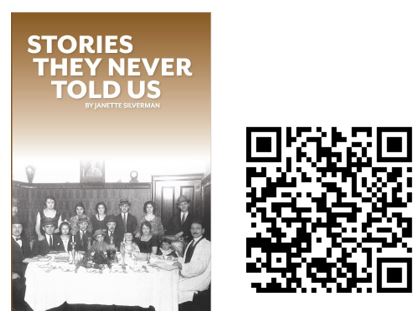
In each generation we carry with us the stories from earlier generations, perhaps some of those recipes and the tantalizing memories of the taste and scent of those foods, and of course, the names of the people around the table.
As a genealogist, I hope for these things, and that the memories and stories continue to be recorded so they remain in living memory.
 RelativaTree