
Today we visited one of those all too many lost communities. It was about a two hour drive from Kaunas to Švėkšna. In 1897 there were about 1000 Jews living in Švėkšna. By the interwar period, Jews owned more than 20 shops and groceries although there were perhaps 500 Jews still in the town by 1923. AT one time this shtetl had a summer synagogue and a winter synagogue, which was typical – they were next to each other with distinctive designs and features – one was intended to keep the building (and the people in it) warm during the winter, and the other was designed for warmer weather. The synagogues were originally wooden, and in a massive fire in 1925 they, along with about 200 homes, were destroyed. In the aftermath of that fire, buildings were no longer permitted to be made out of wood.
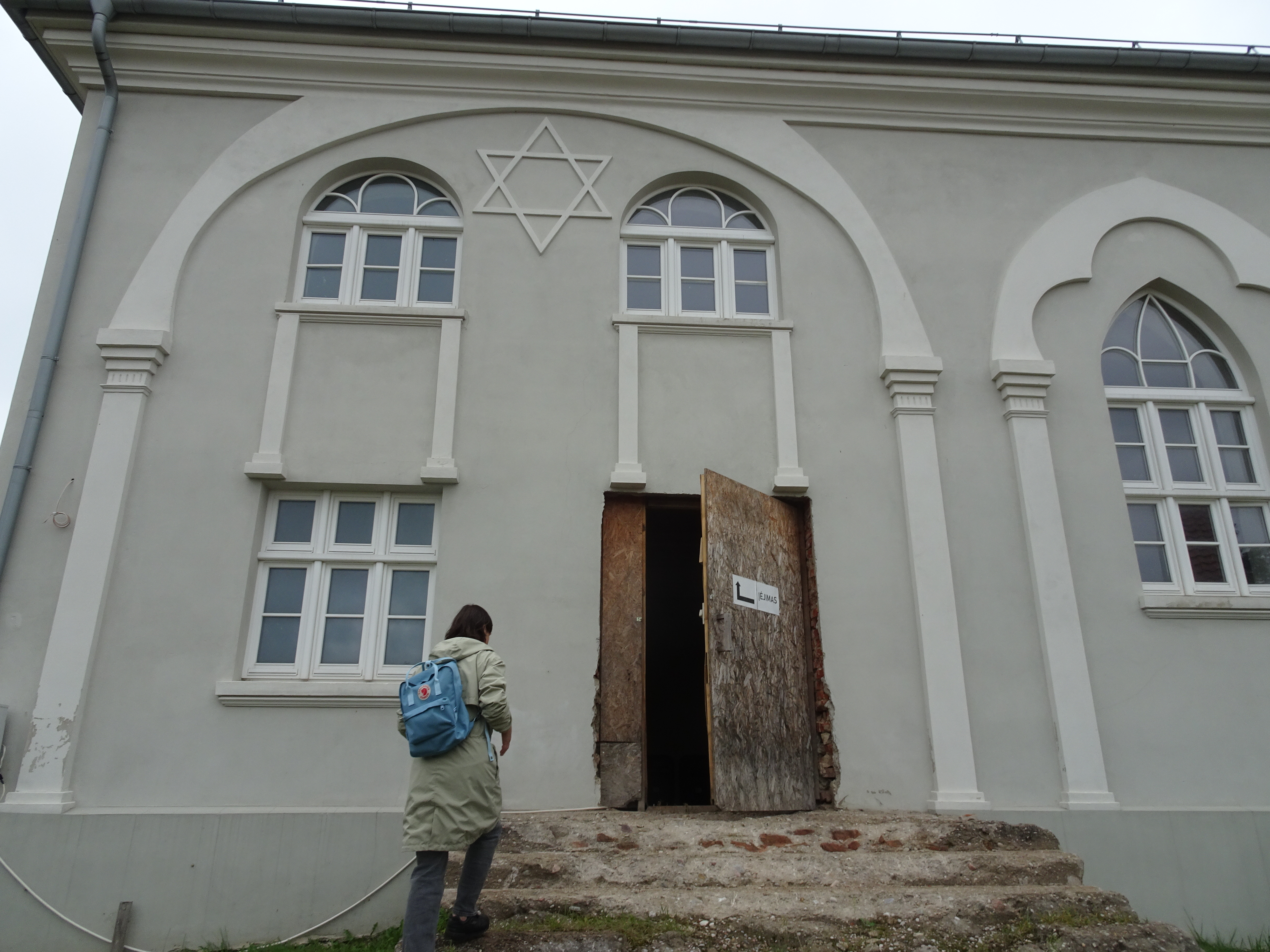
Today the building above is in the process of being restored and redesigned, keeping as many of the artifacts from the original buildings, and from the rebuilt synagogue after the 1925 fire, as could be included. The synagogue will be the home of a museum and cultural center, both of which are lacking in Švėkšna. The synagogue stands as perhaps it ways did in the shadow of the local church.
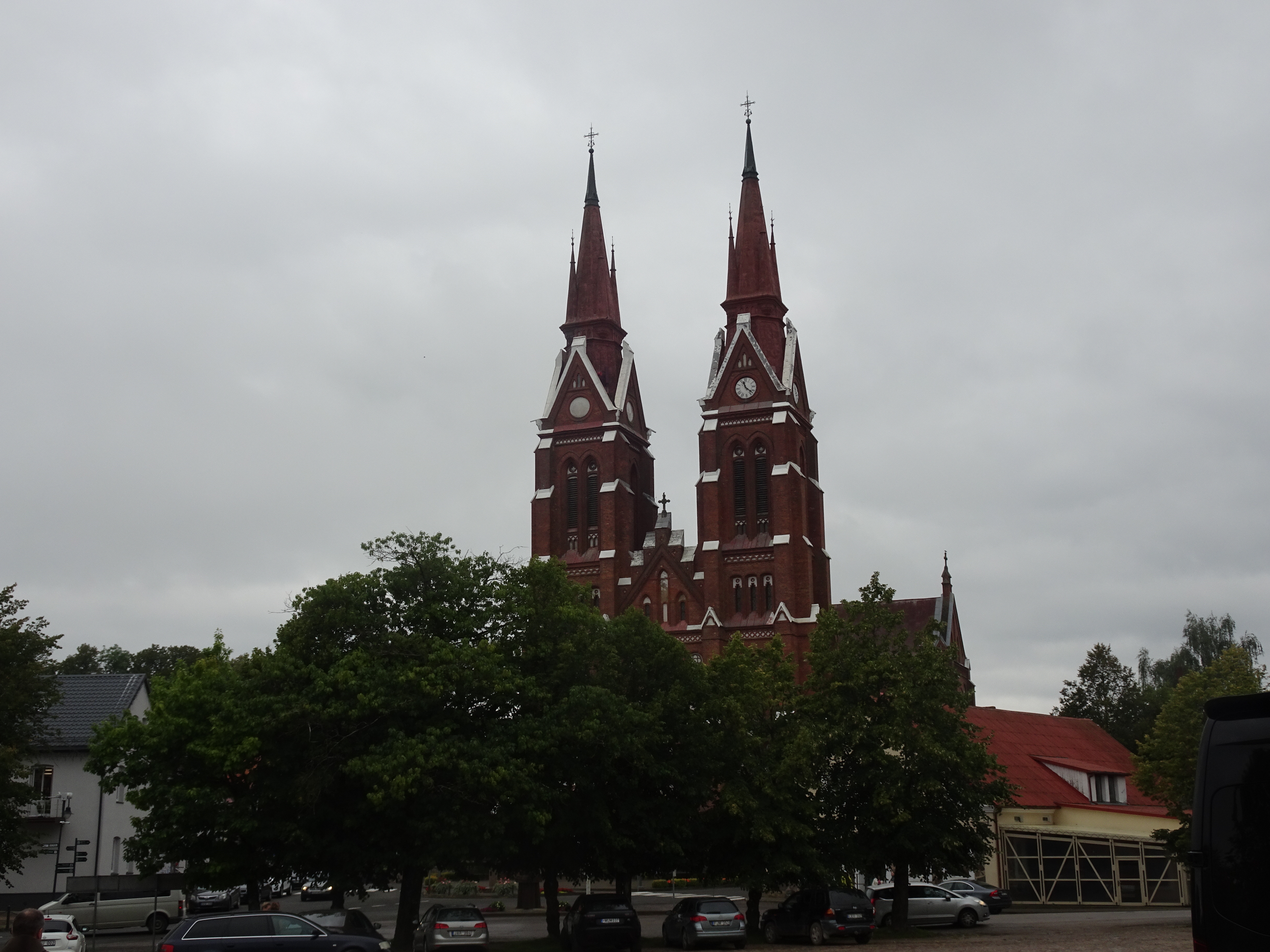
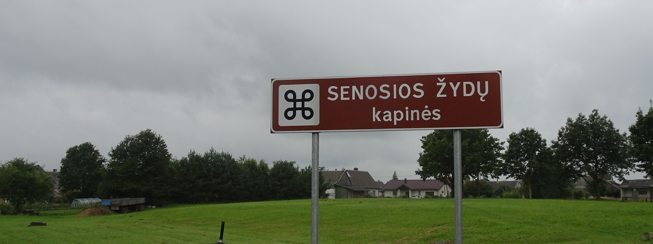
There are no Jews living in Švėkšna today. When the Germans came in, they separated the town – men and boys who were fit to work were herded into the synagogue, older men, men who could not work, women, and children, were taken into the woods and murdered. They were left in a mass grave. Although we went to the site, it was heavily wooded and raining, and I stayed in the car. There is just so much grief I can handle in a day. We had already visited the place where the cemetery once stood, and where very few visible stones remain. It was easy to see under the grass where matzevot had toppled over and were covered by grass.
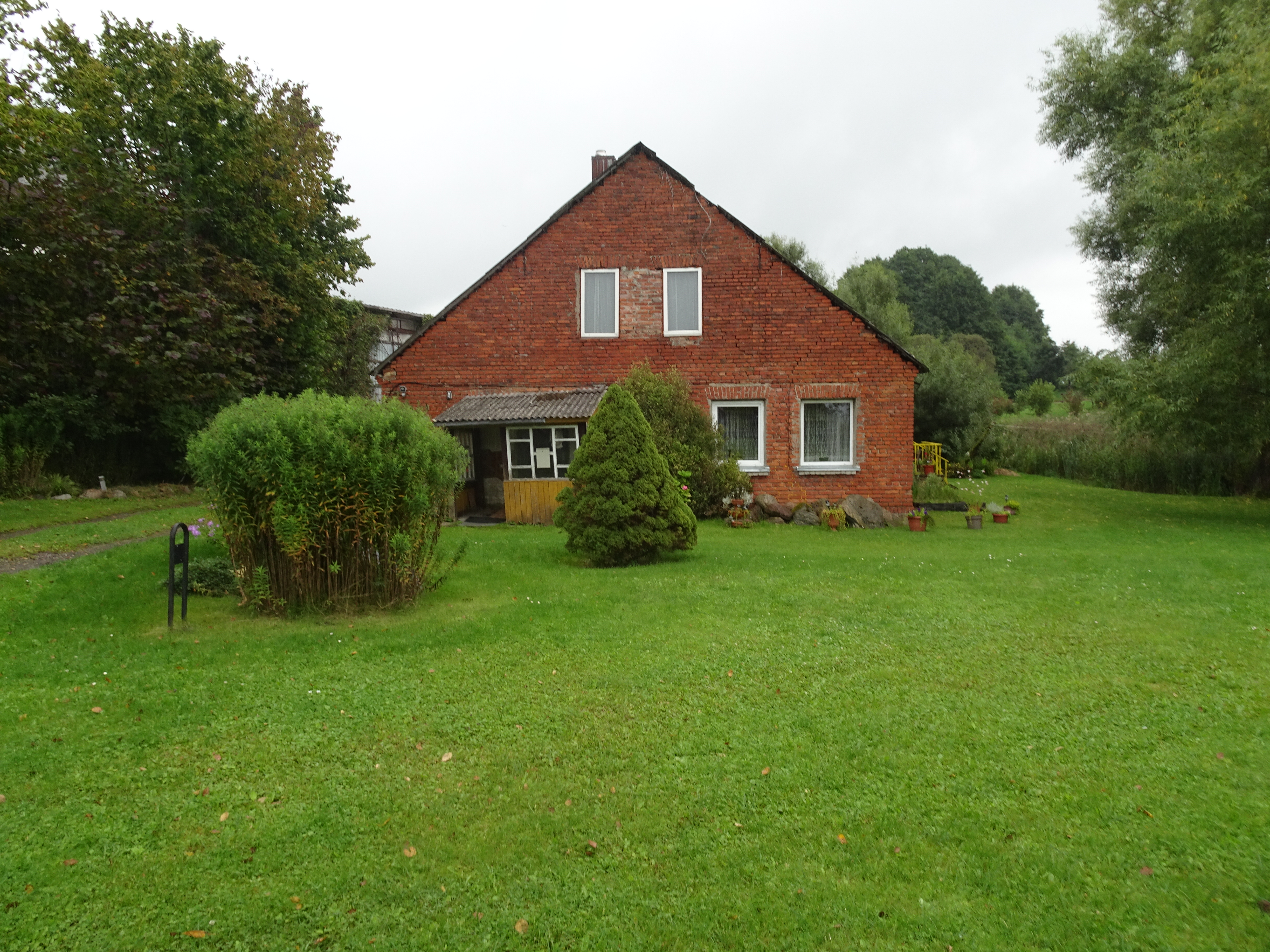
The building once used by the Jewish community for a mikveh still stands. Out guide, Agna, told us that at some point, the Jewish community opened it up for use as a bath house by the whole community, Jews and non-Jews.
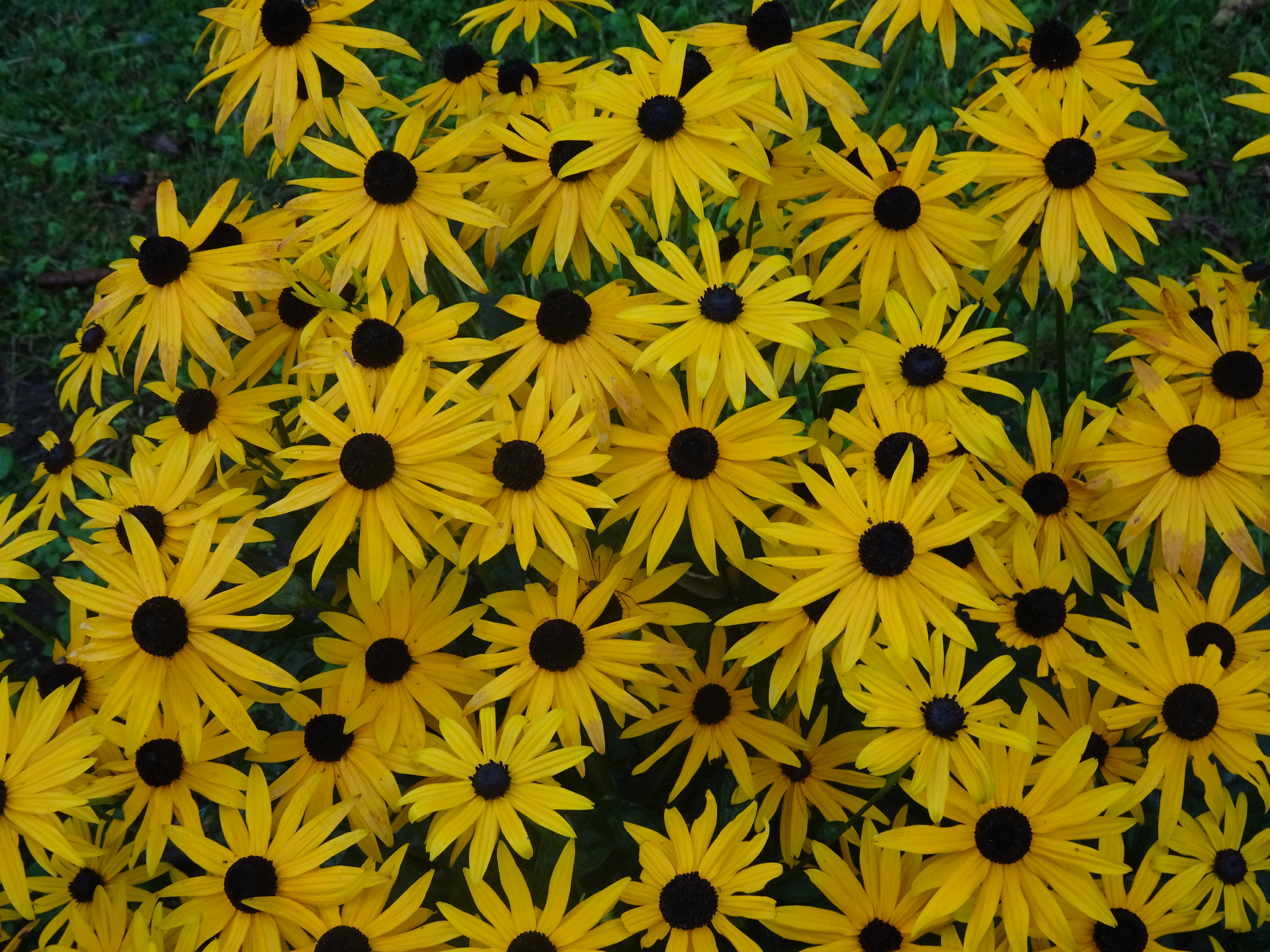
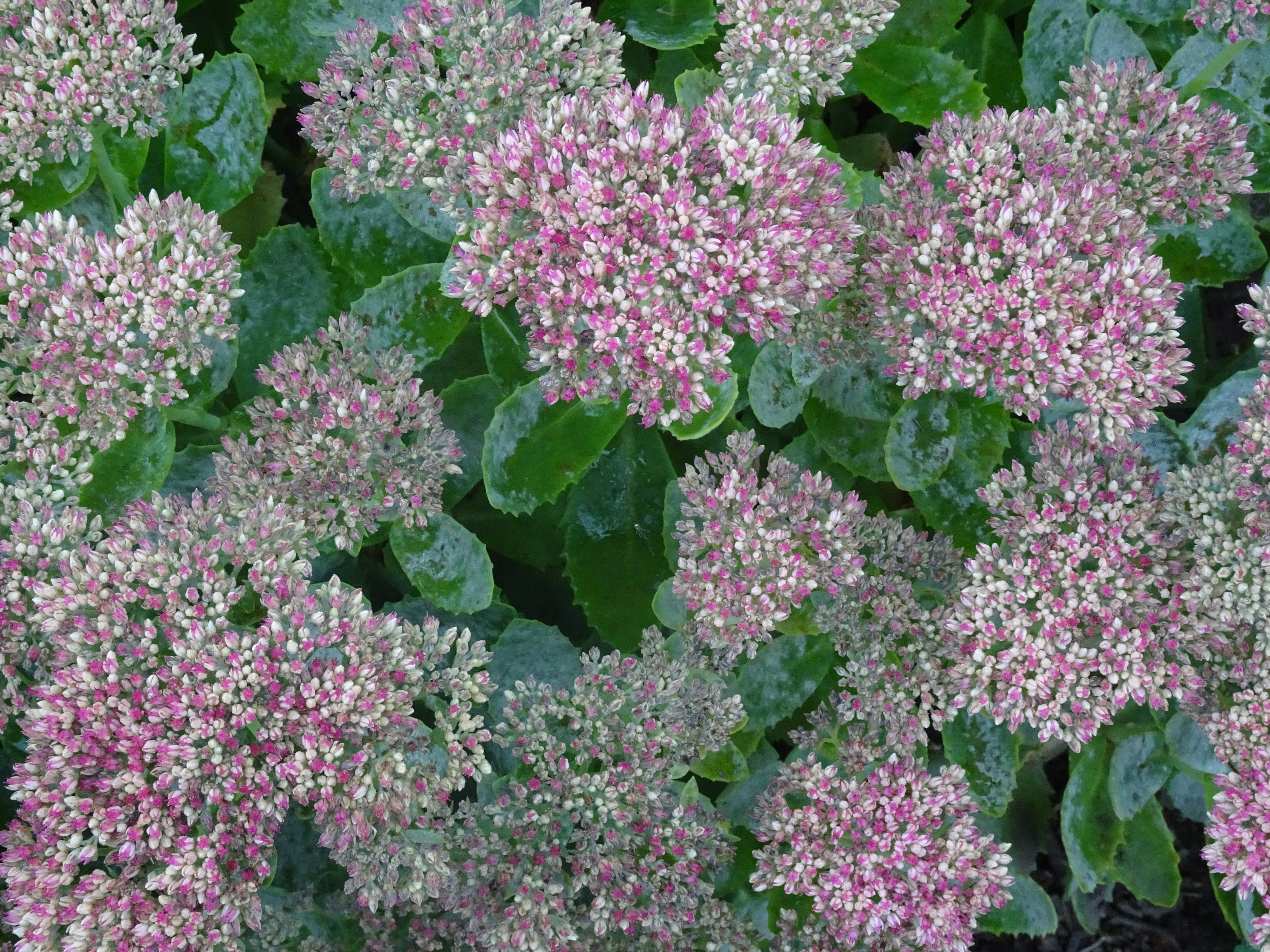
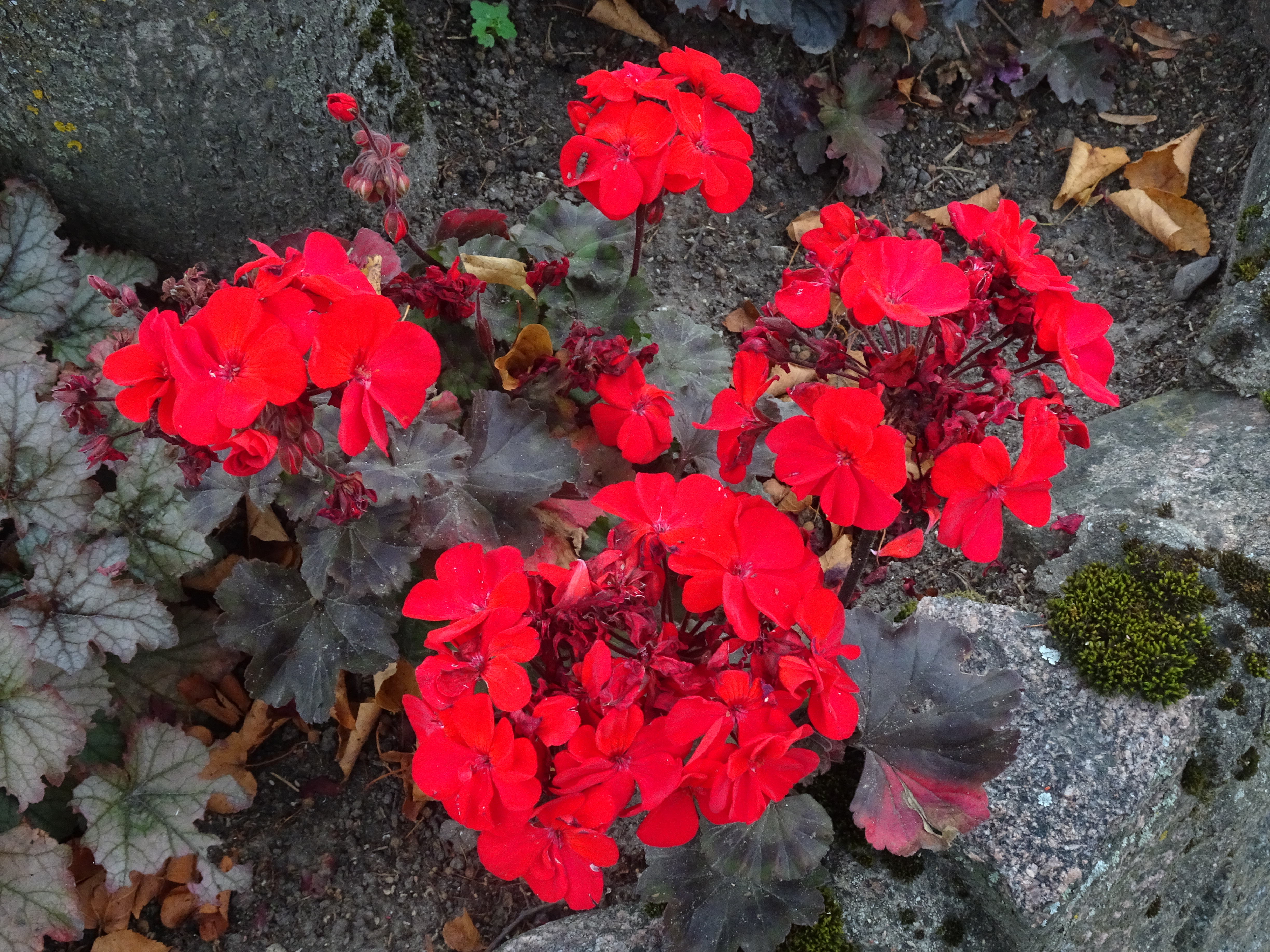
Although the day was rainy, which suited the tears I was shedding internally, there was beauty to be found in the flowers.
We ate lunch in the only restaurant in town. Tomorrow we go first to Rumšiškės one of the largest ethnographic open-air museums in Europe to visualize what life was like in Lithuanian villages. After that we’ll be going to Kėdainiai which has a wonderful rebuilt area of a Jewish community that was, with a museum in the old and restored summer and winter synagogues. In two days, we take a short flight from Vilnius to Warsaw where we will begin the Polish segment of our trip.
There is so much beauty in Europe, and so much history to absorb. I know the Jewish communities flourished here for millennia, sometimes more peacefully than others, and I know it’s not all tears and pain. Still, walking the streets that the Jewish community walked on, seeing the houses in which they lived, listening to lives being turned into museum exhibits, I can’t separate myself from those emotions.
 RelativaTree