
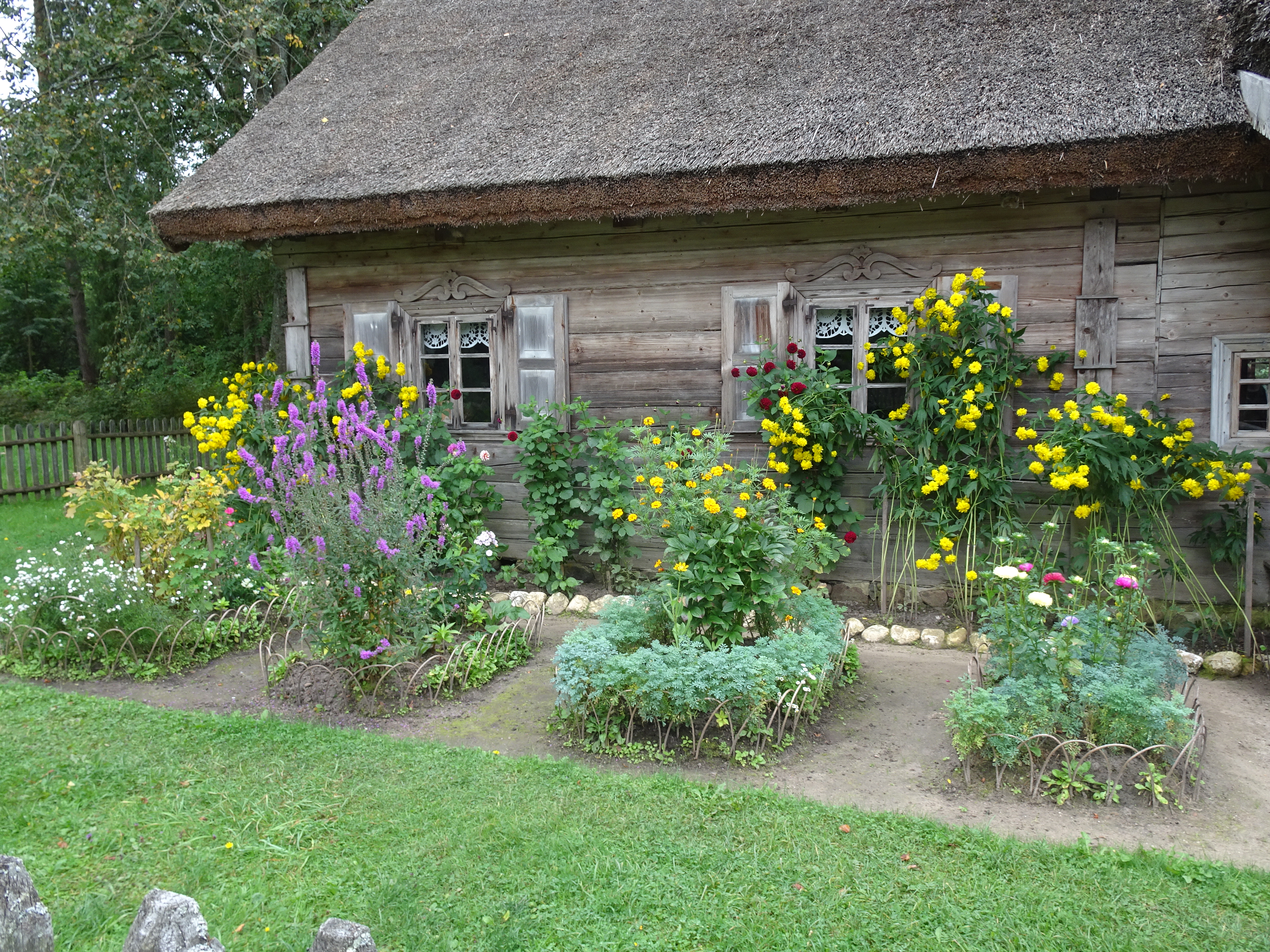
Today we walked into the past – into the mid-19th century. This amazing ethnographic museum portrays life as it was in the various regions of Lithuania through its houses, villages, and other structures. Apparently, buildings representative of 19th century life as well as all the “things” people had in their homes are part of this enormous undertaking. If I understood it correctly, the “museum” occupies just under 500 acres. Each section is meant to look like a typical village from a specific area. From the thatch-roofed home of the poorest families in a tow…
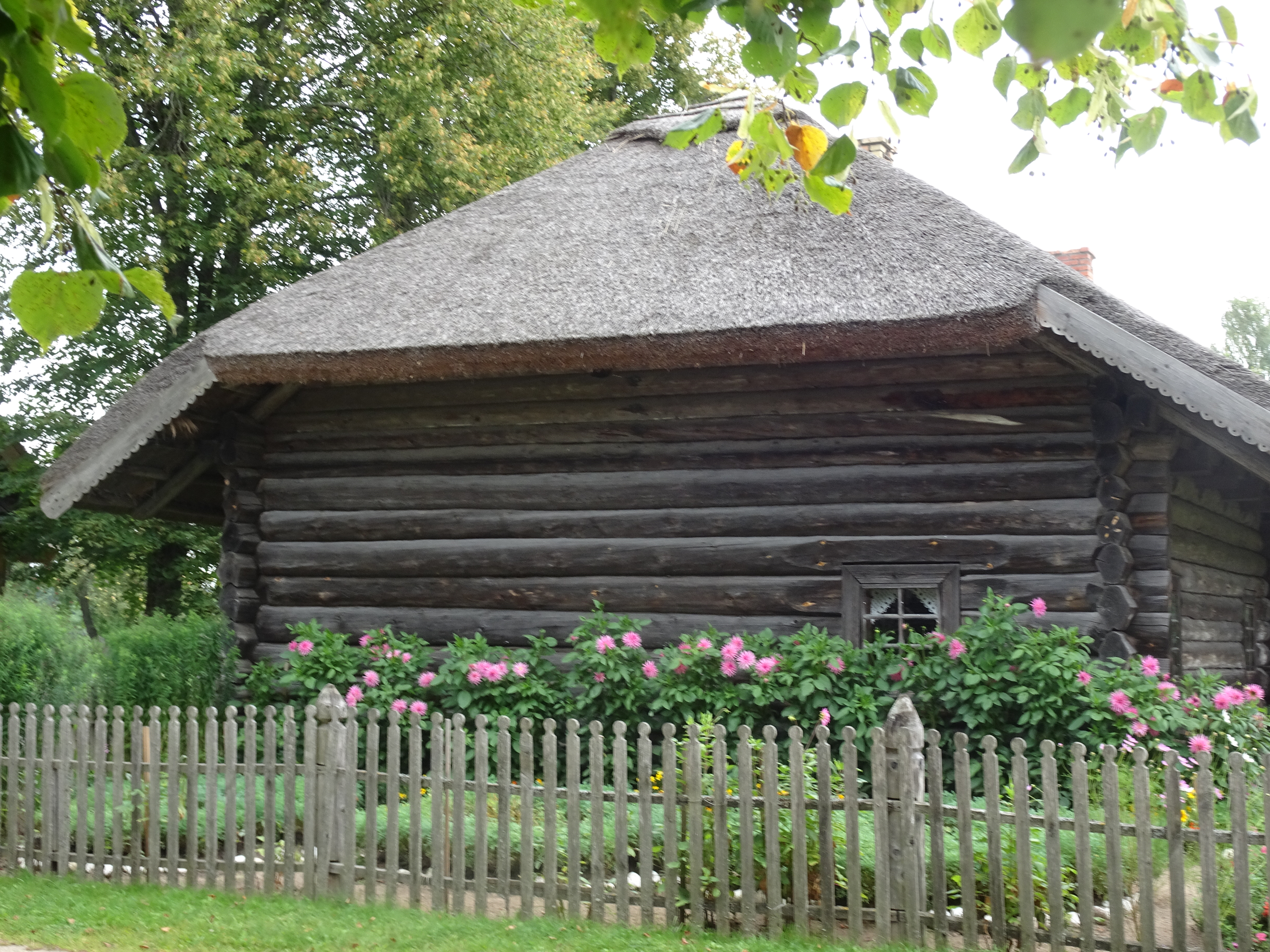
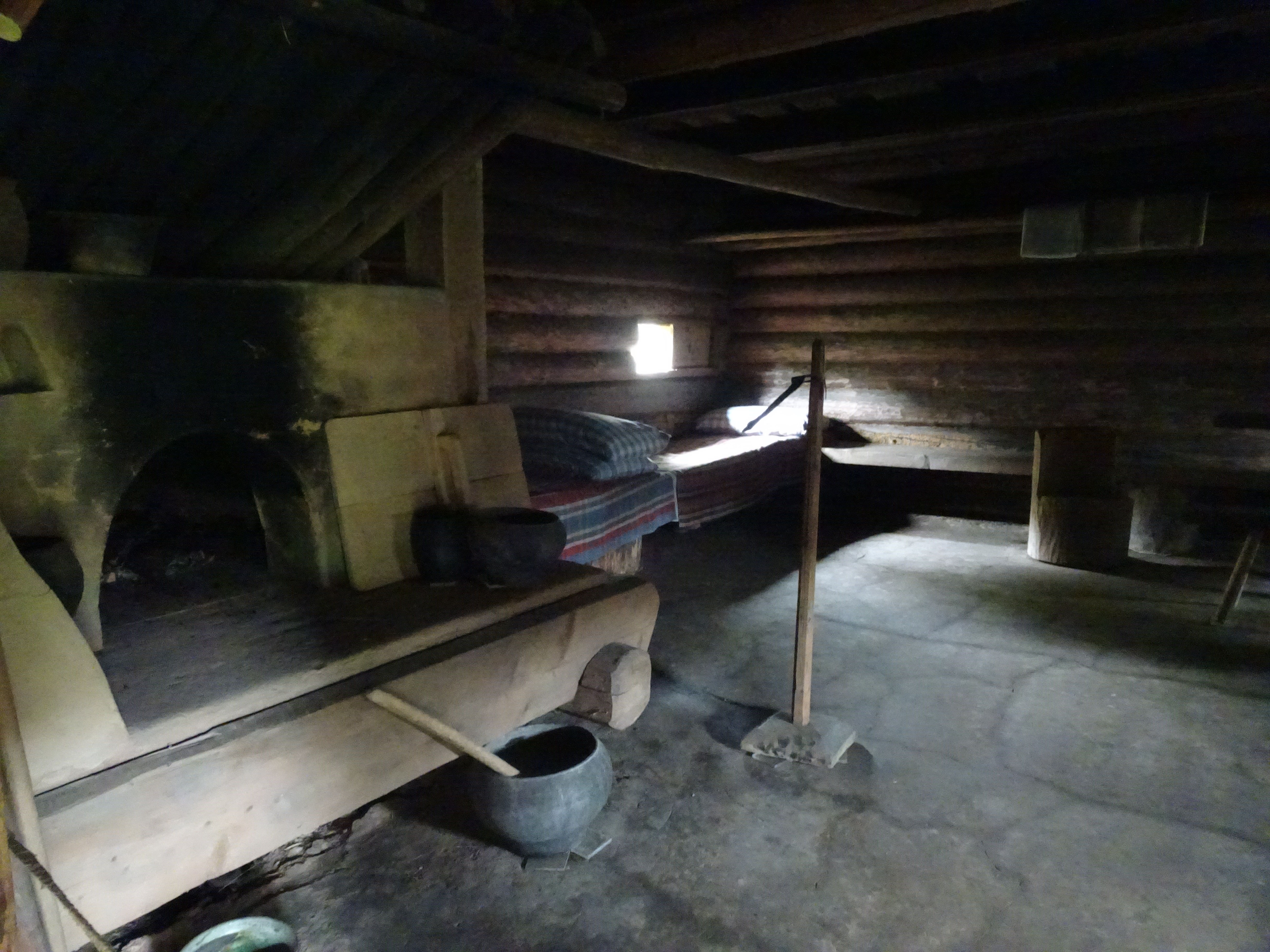
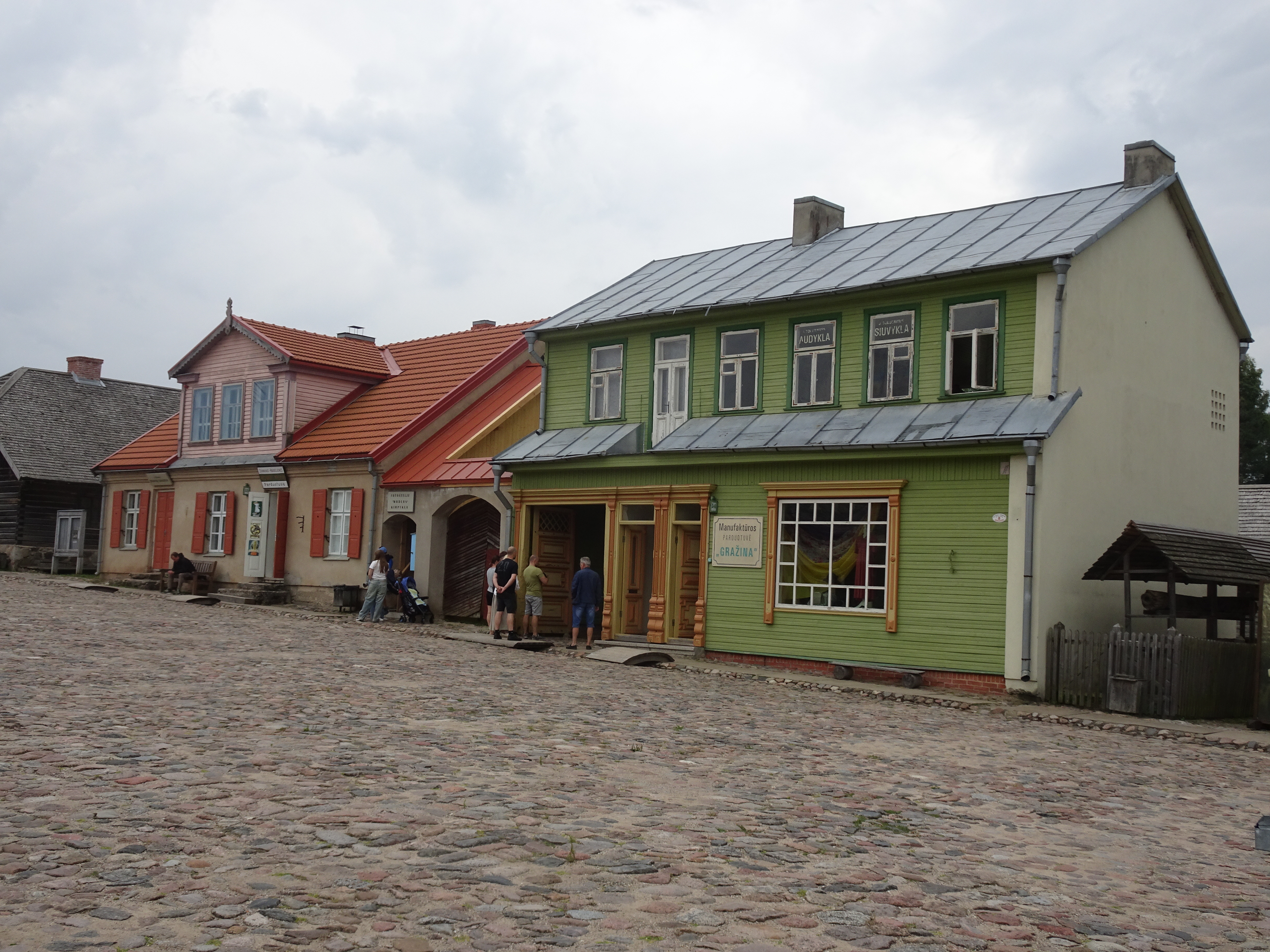
…to a larger house, representative of a the home of a welathier family in the same town
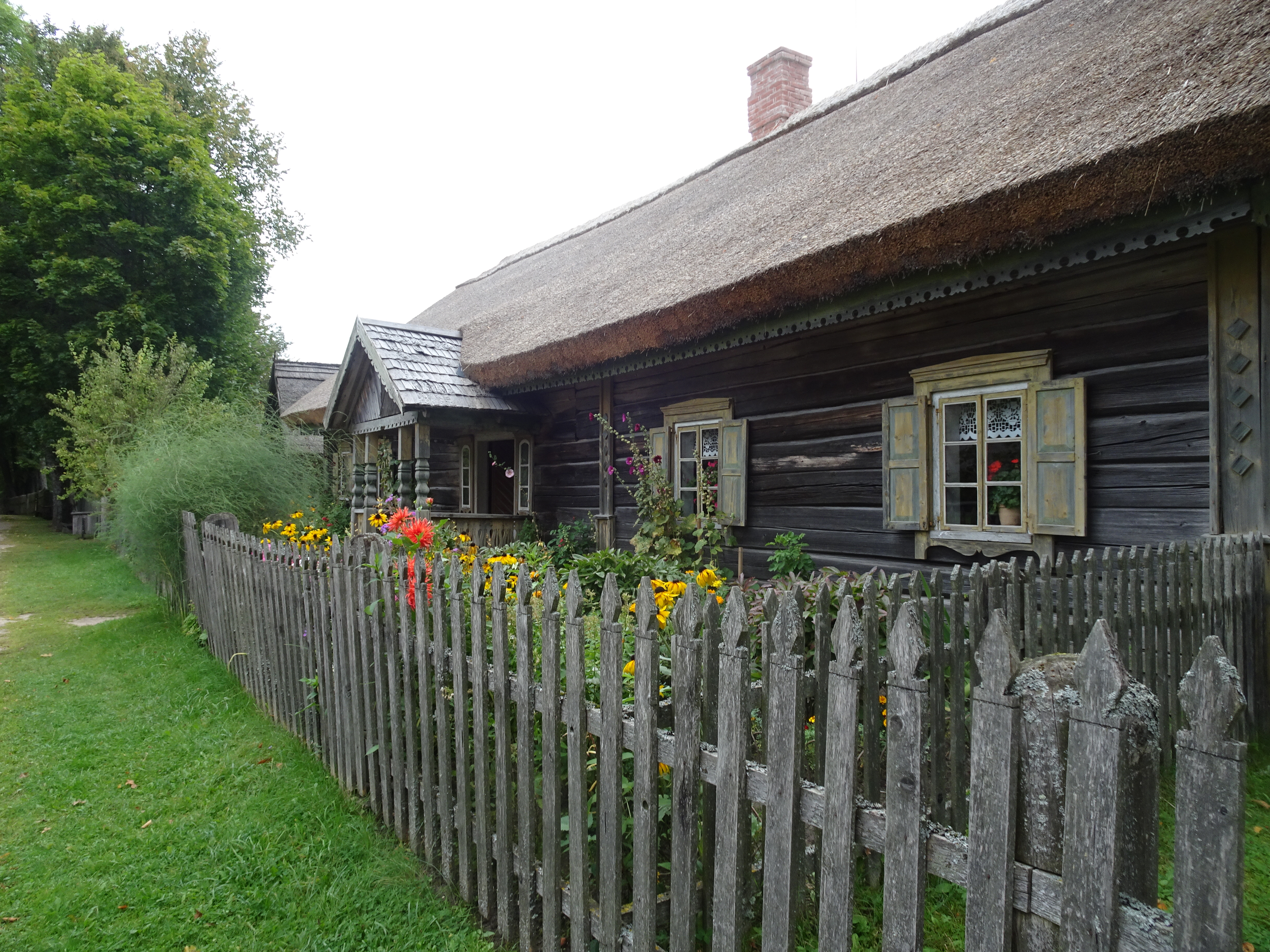
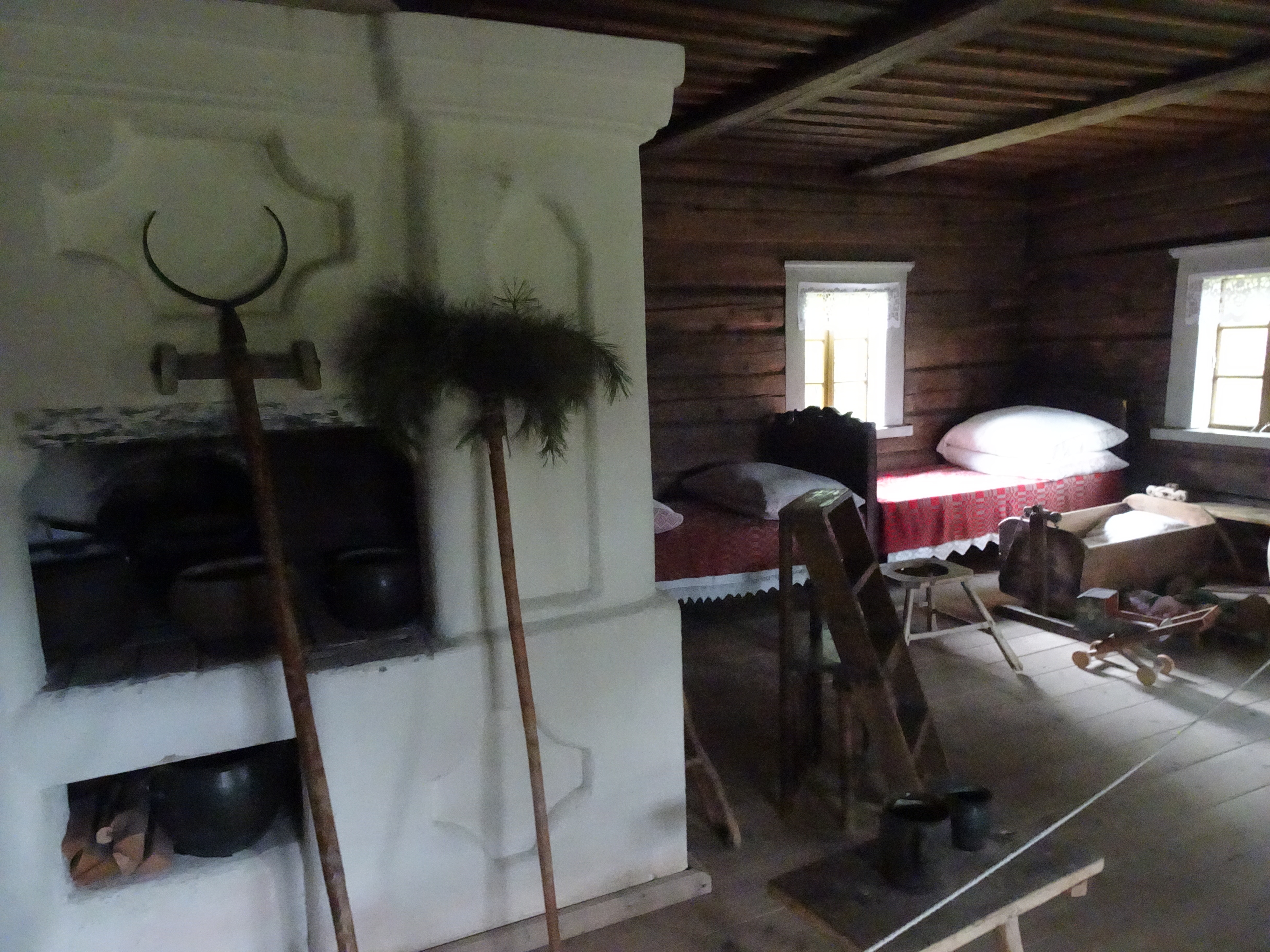
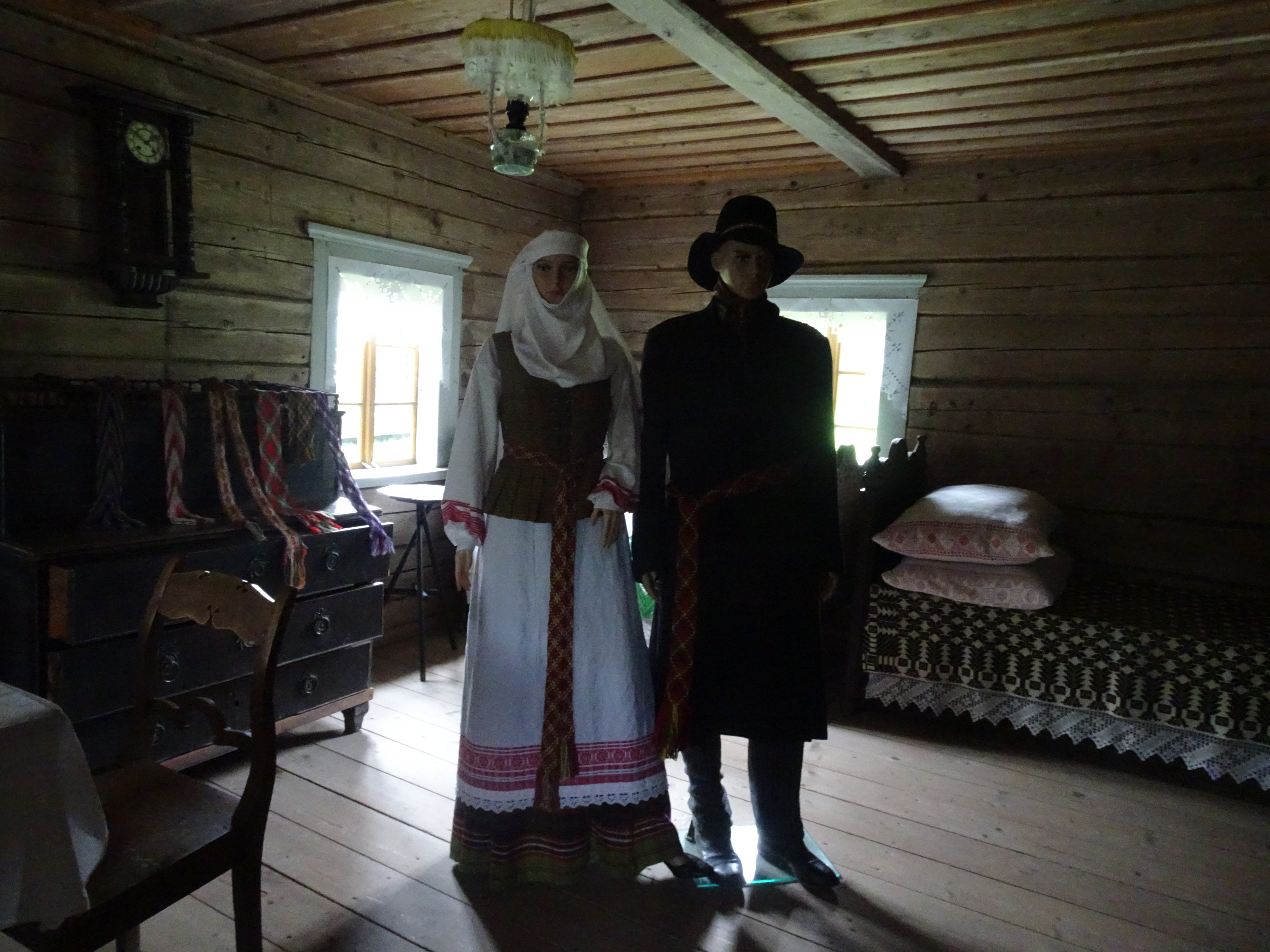
Each village had different types of homes with different typical costumes.

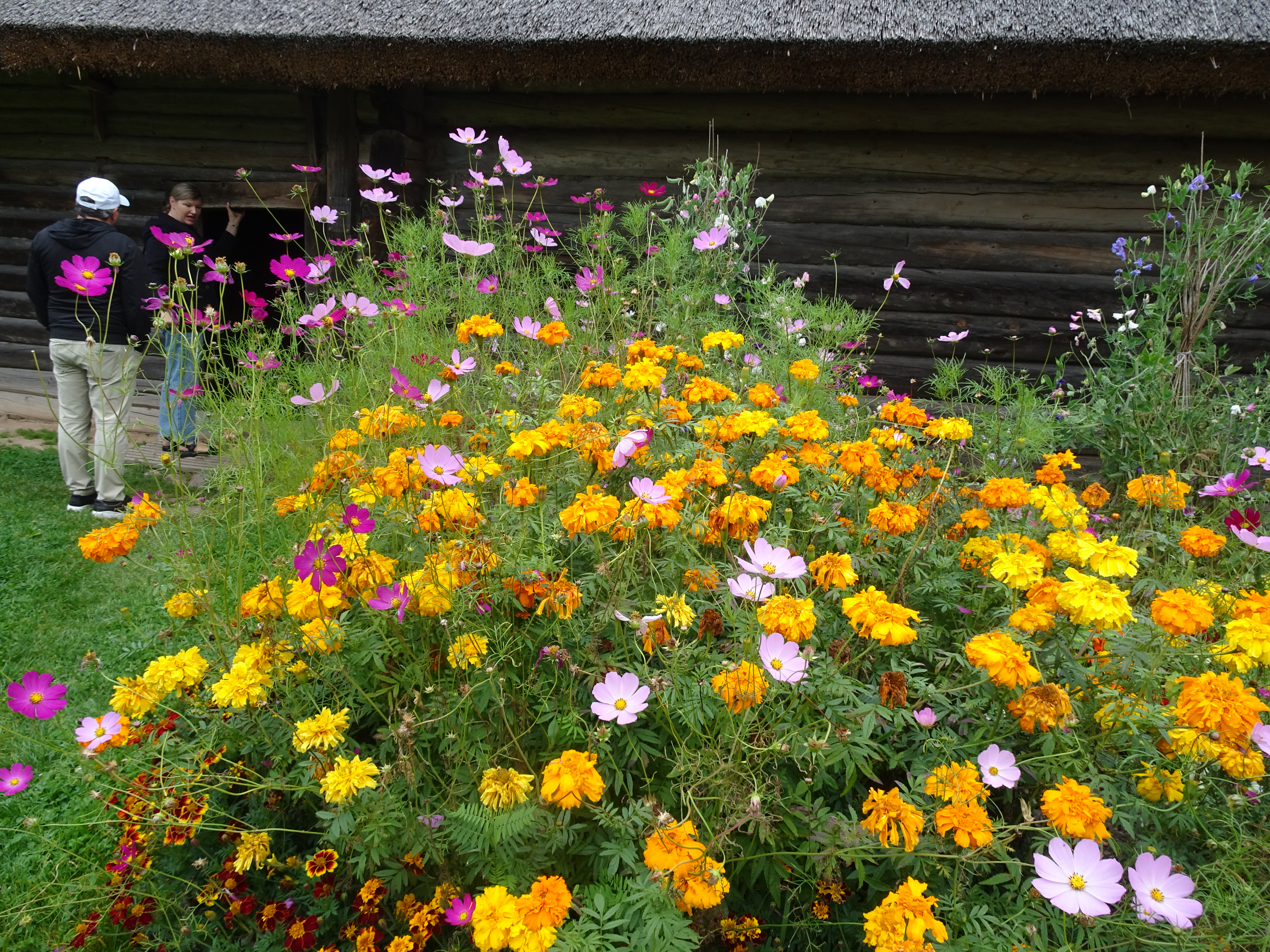
…and flower gardens galore
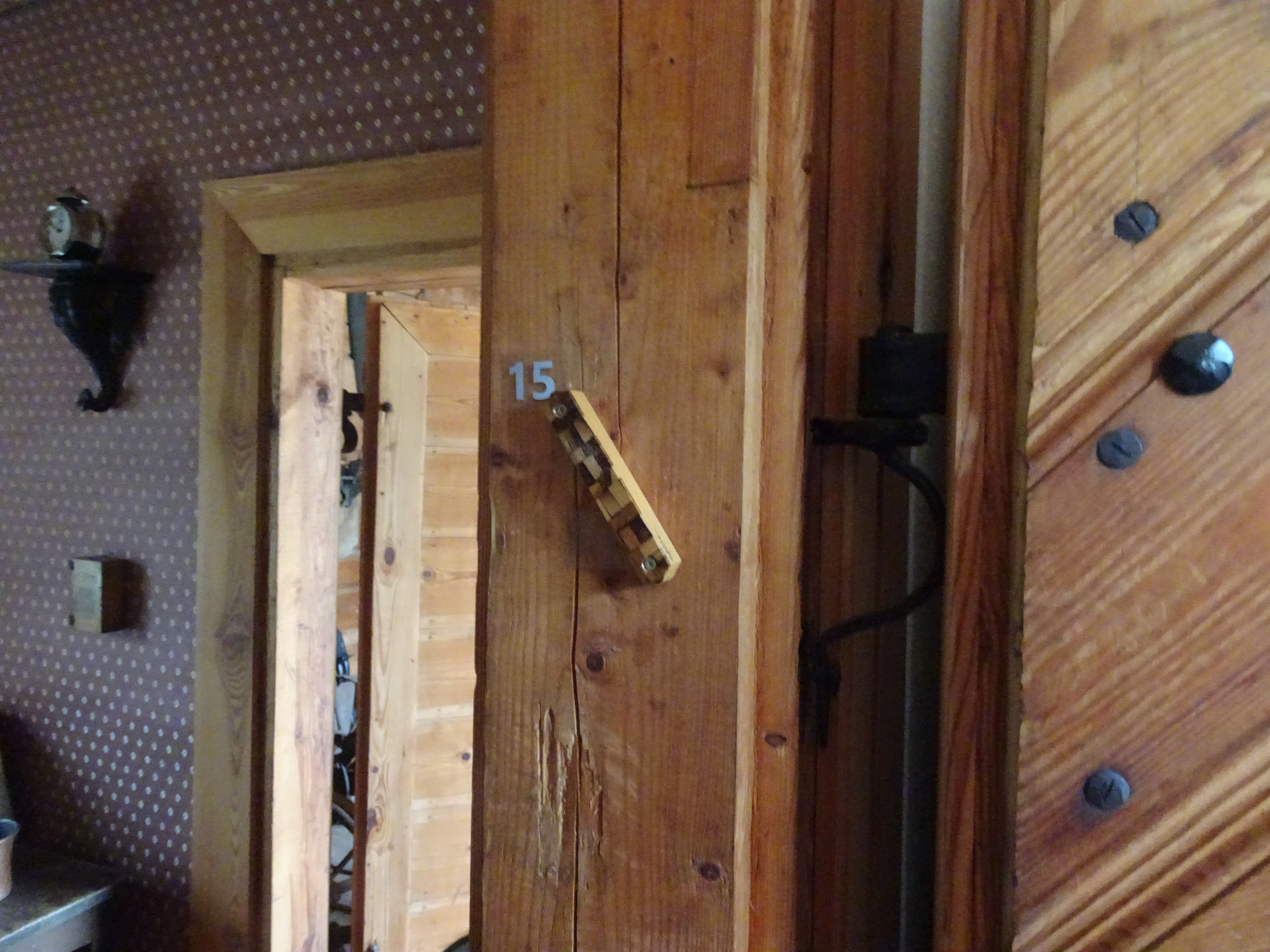
The Jewish homes and shops had mezuzot on the doorposts
The non-Jewish homes were distinguished by a corner with portraits of Jesus and Mary.
We enjoyed a lovely morning, marred by the pesky presence of kazillion mosquitos. Every time we got into the van, we spent a few minutes getting rid of the mosquitos, which seemed very attached to all of us.
We headed off for Kedainiai for lunch at Gray’s restaurant, where Lina and I had eaten on another trip and to see where the synagogues were and other Jewish-related reminders of the time when 60% of the town were Jews.
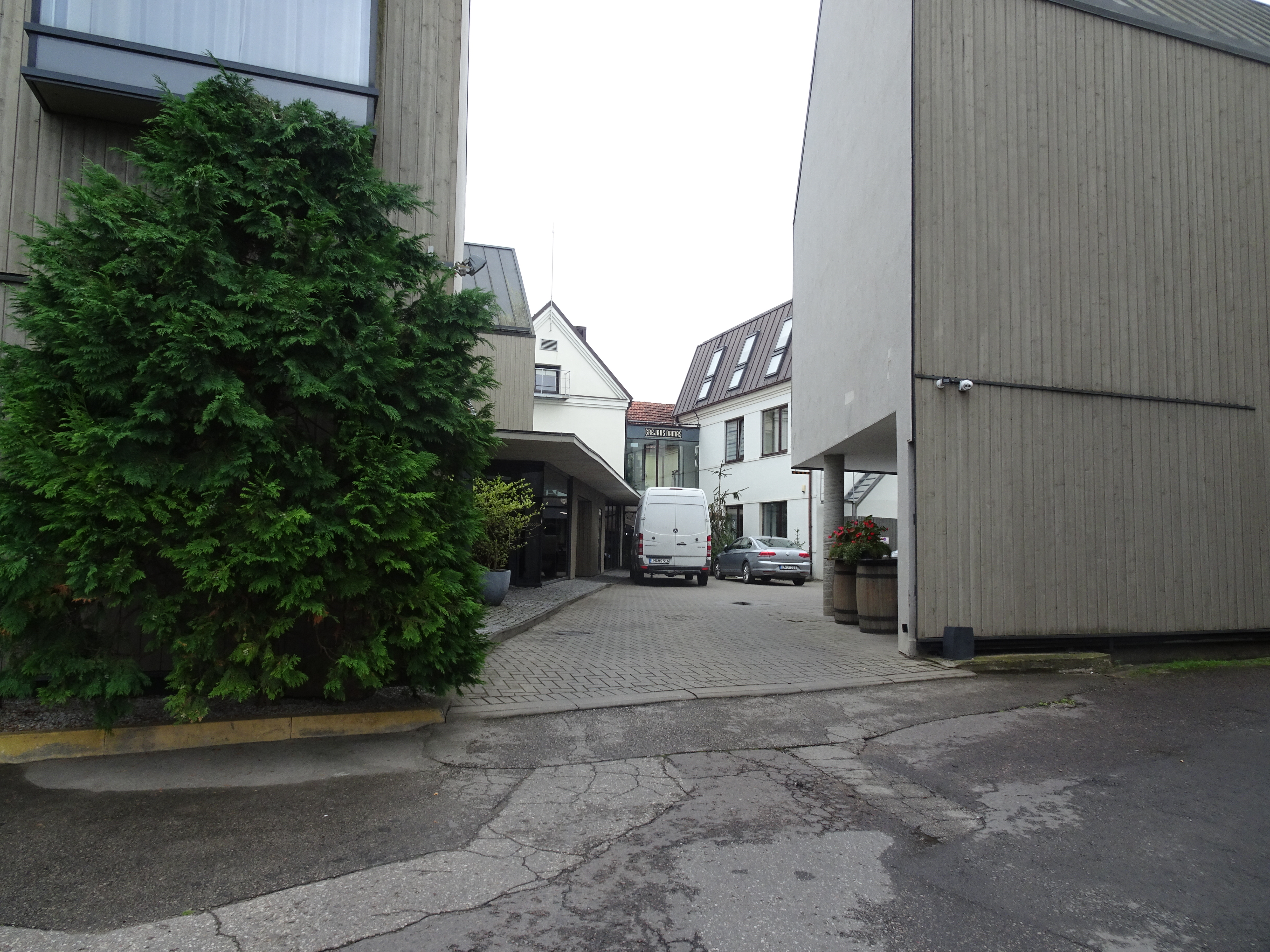
On our way to the synagogues, we passed by homes formerly occupied by Jews
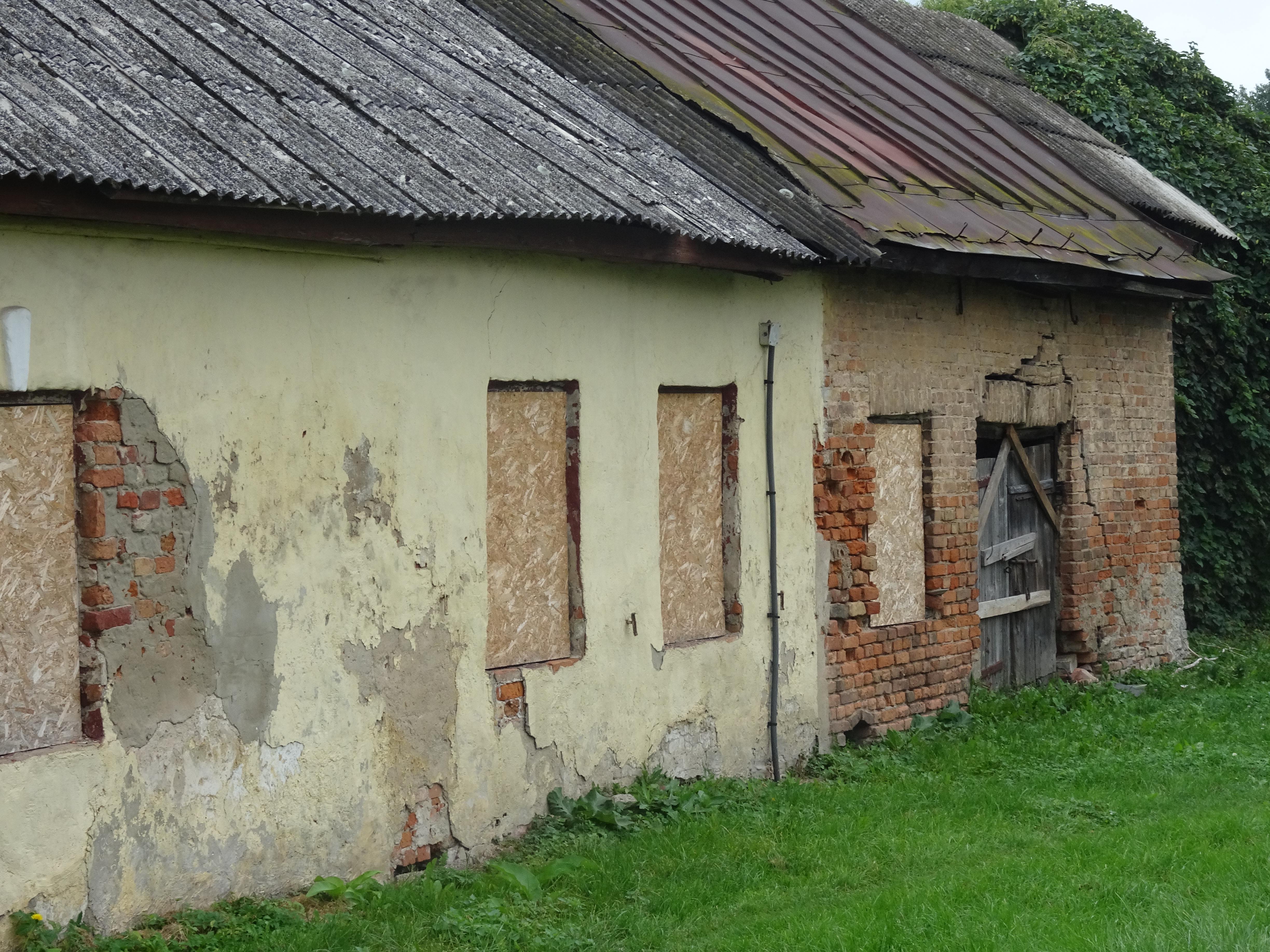
The brick addition on the house above was apparently aSukkah – the roof while seeming to be solid, wasn’t – there were panels that could be moved so the stars could be seen – this was the compromise to the often rainy and cold weather – and was more solid as a structure than what we would imagine building as a Sukkah today.
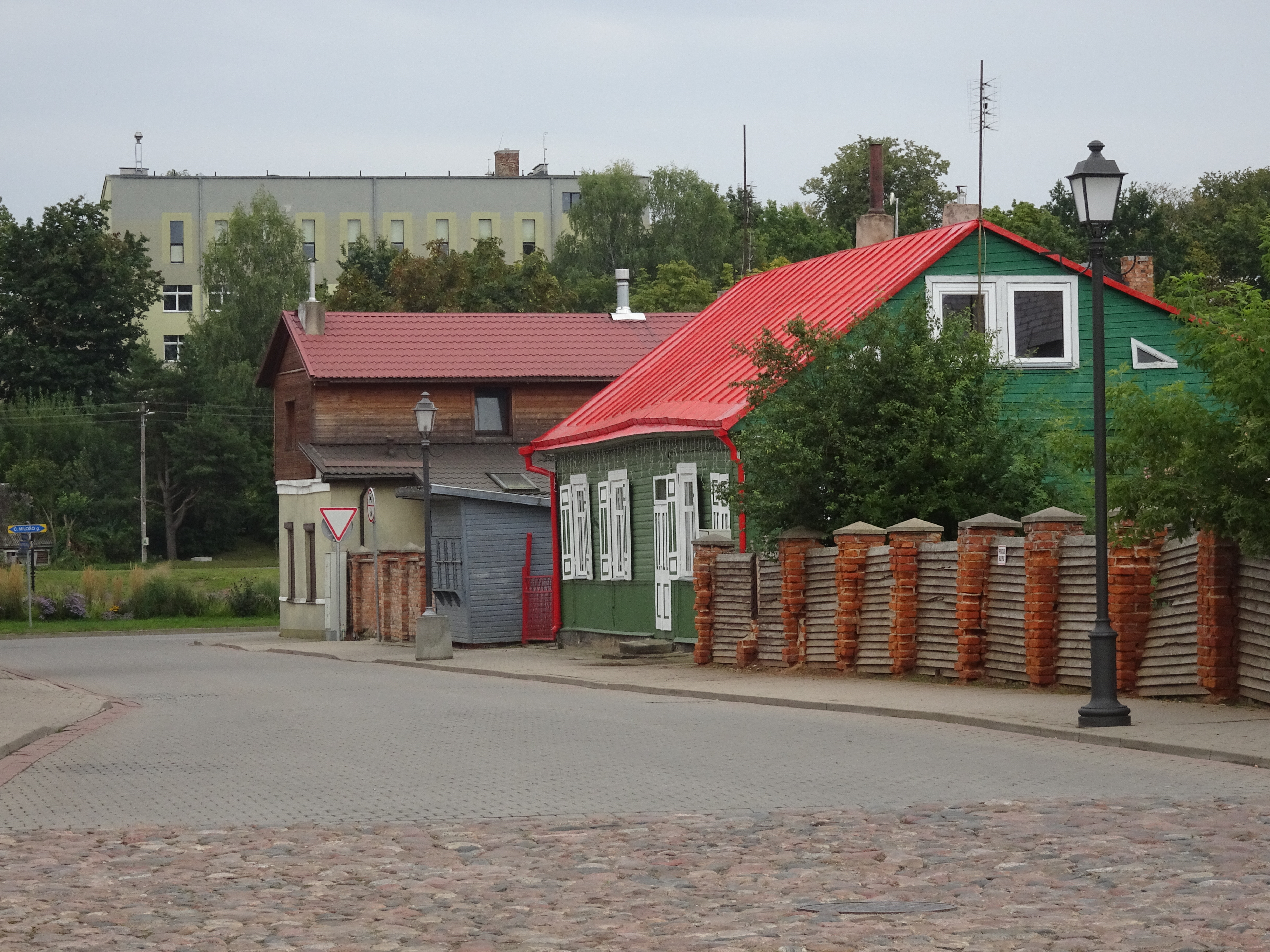
We passed two amusing sites
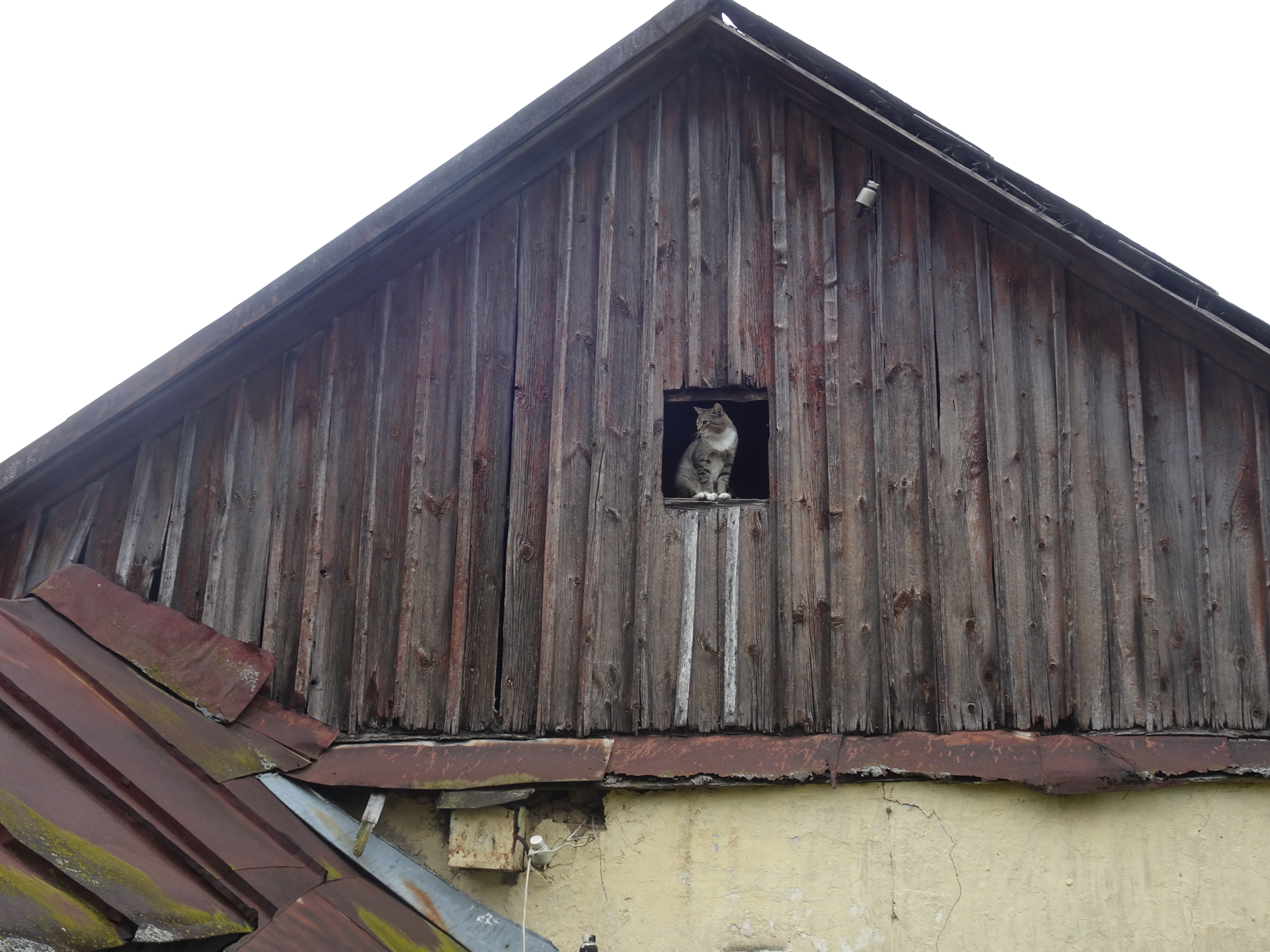
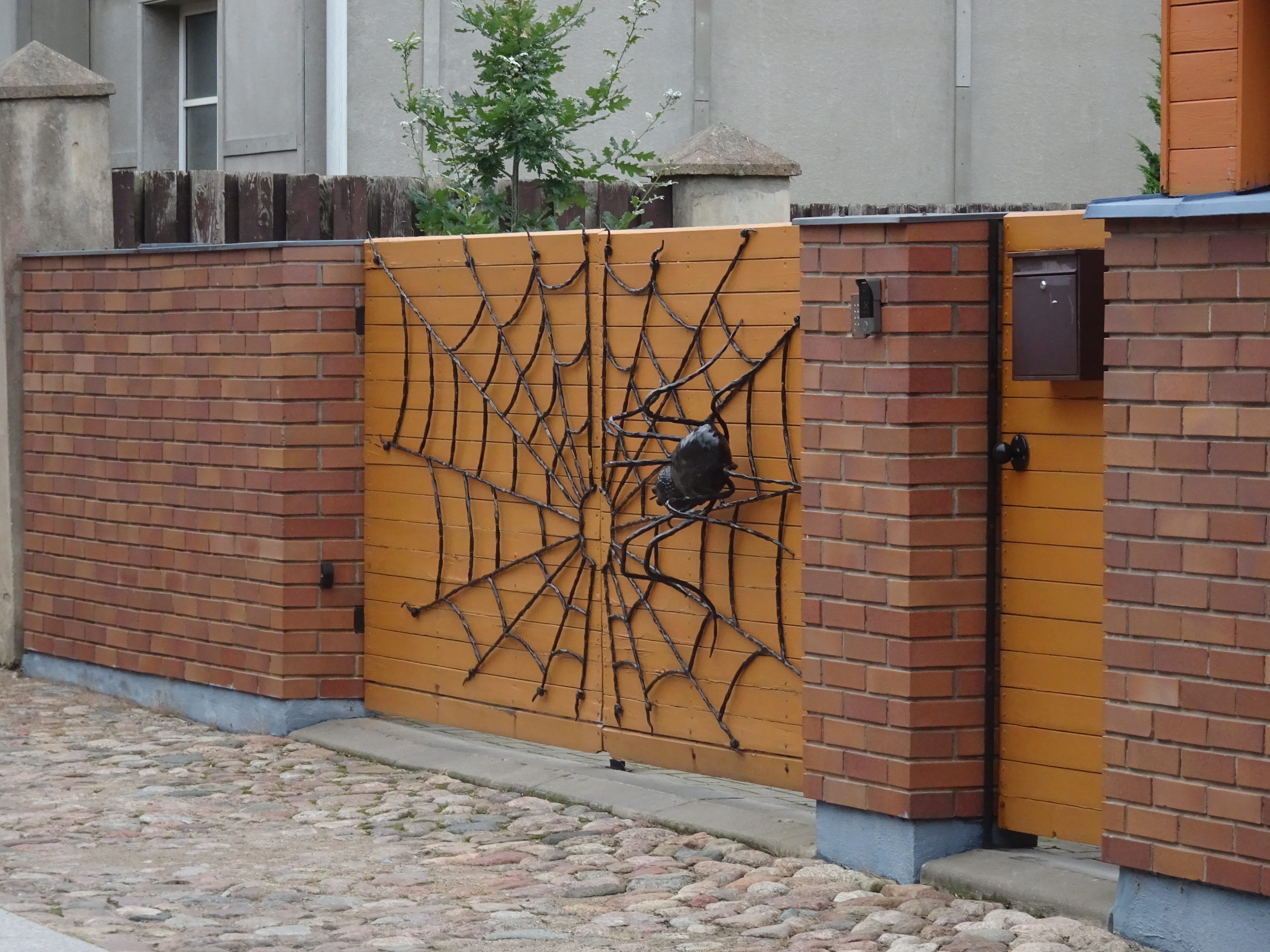
And then we stopped being amused.
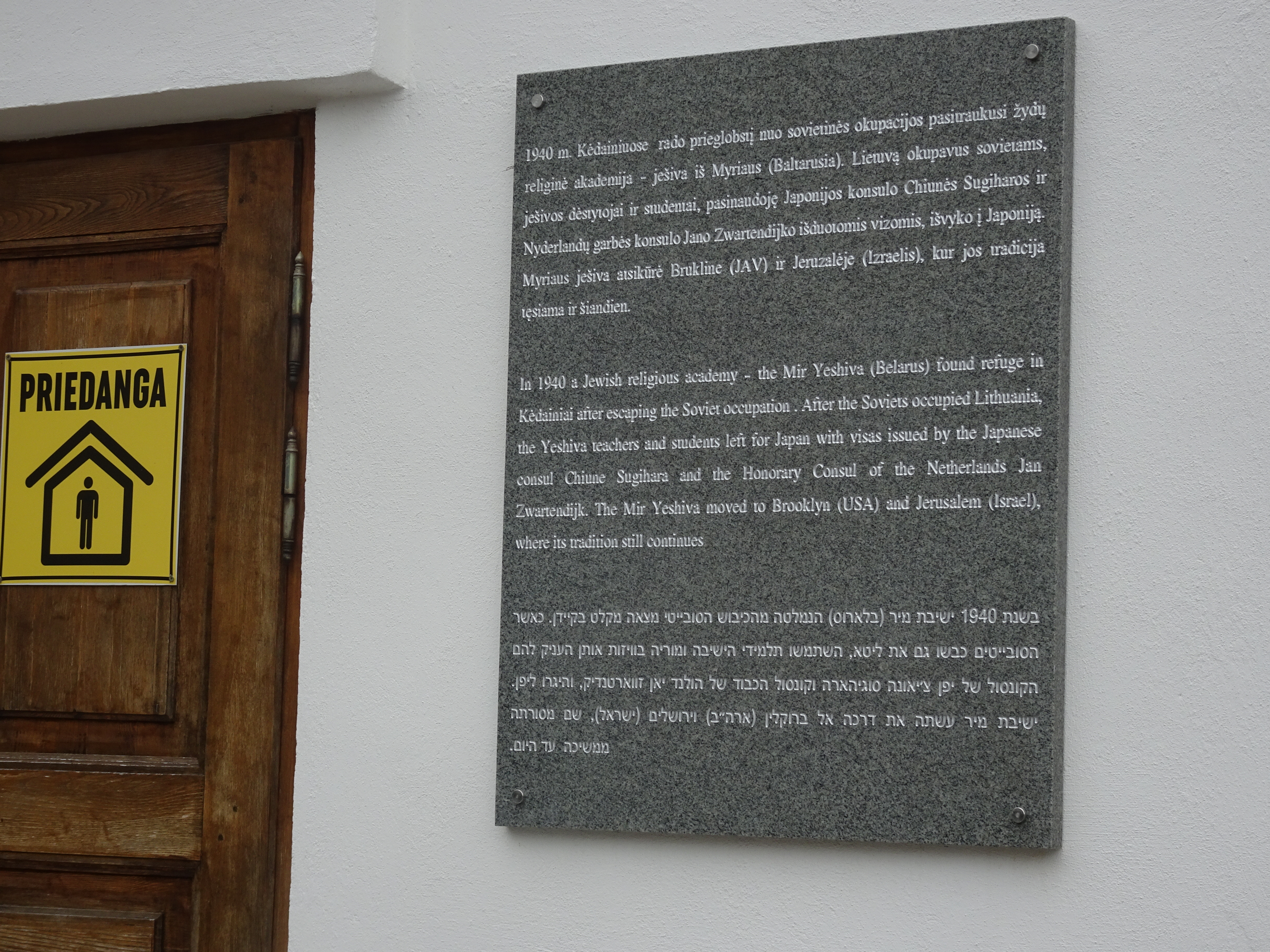
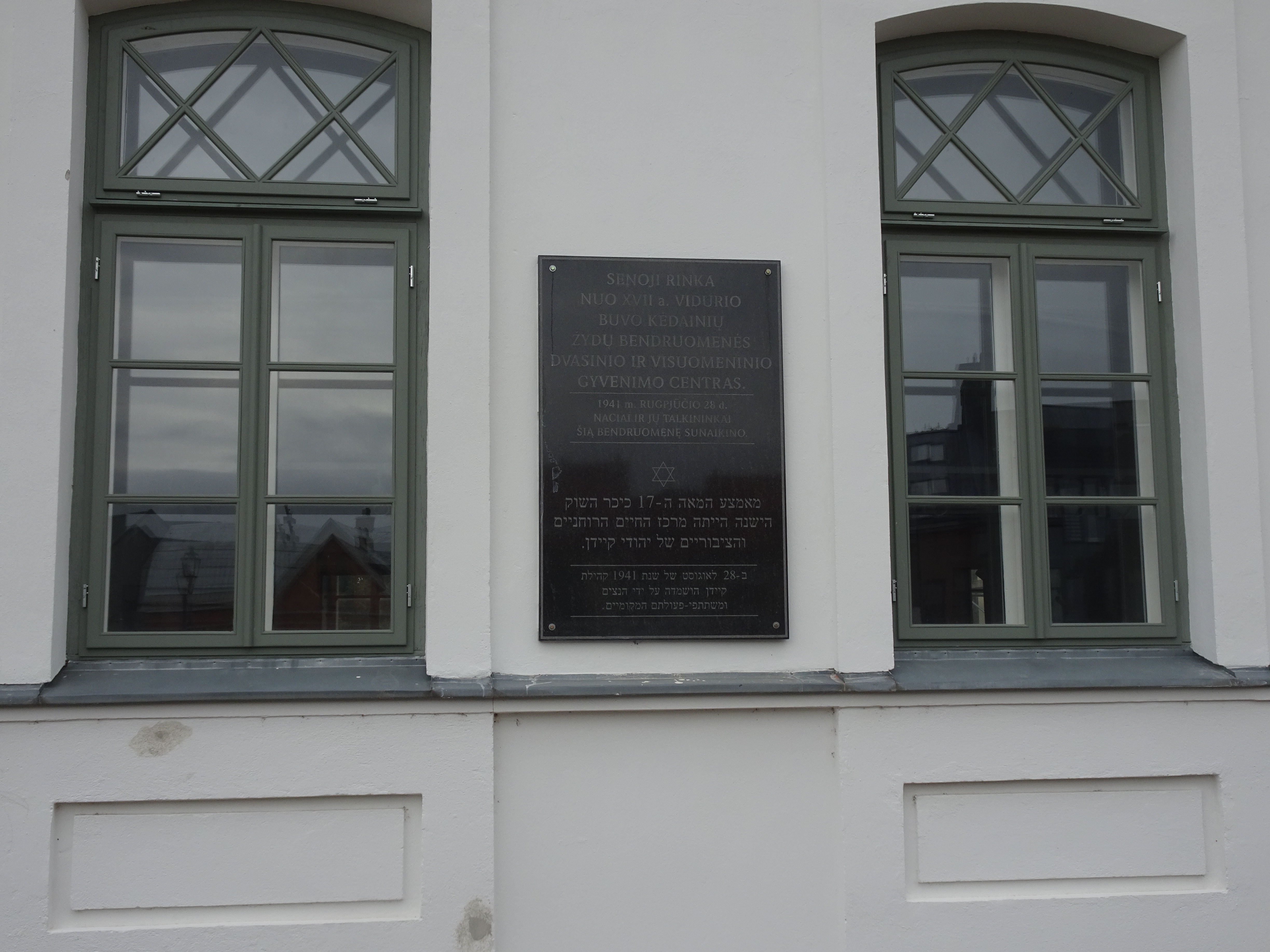
Apparently when the Nazis came in they herded all the men into the synagogue with a bag of their goods, walked them into the woods, and I don’t have to repeat the rest. Your imagination cannot possibly recreate a scene more awful than what must have been.
I spend a lot of my time on Shoah research, looking to restore the names of people to living memory. No many times I hear the stories of the horrors, it’s as if I am hearing them for the first time. The stories of individuals and of towns, shake me to my core. I hear of horrors perpetuated by friends and neighbors of Jews. I hear of people who were threatened by guns at their backs if they didn’t fire the guns in their hands at the defenseless people standing before them. I hope that if I was in that situation, I would have the strength to do the right thing and turn on the person behind me even if it meant my own certain death. After all, how could you wake up the next morning or go to sleep that night knowing what you’d done. If you didn’t fight back even if the reprisal was certain, sooner or later it would catch up with you. In the words of Pastor Martin Niemöller
“First they came for the Communists
And I did not speak out
Because I was not a Communist
Then they came for the Socialists
And I did not speak out
Because I was not a Socialist
Then they came for the trade unionists
And I did not speak out
Because I was not a trade unionist
Then they came for the Jews
And I did not speak out
Because I was not a Jew
Then they came for me
And there was no one left
To speak out for me”
Even if you don’t do something because it’s the right thing to do, do it to save yourself. Otherwise, no one else will.
 RelativaTree