
Today we visited one of the most amazing museums – Polin. The museum is about 10 years old, and is absolutely incredible. I’ve been here before and I’m always finding something new, something to marvel at, and something to capture my imagination. The maps and storyboards take you traveling from the time Jews were first in Poland, more than 1,000 years ago up to the end of the war.
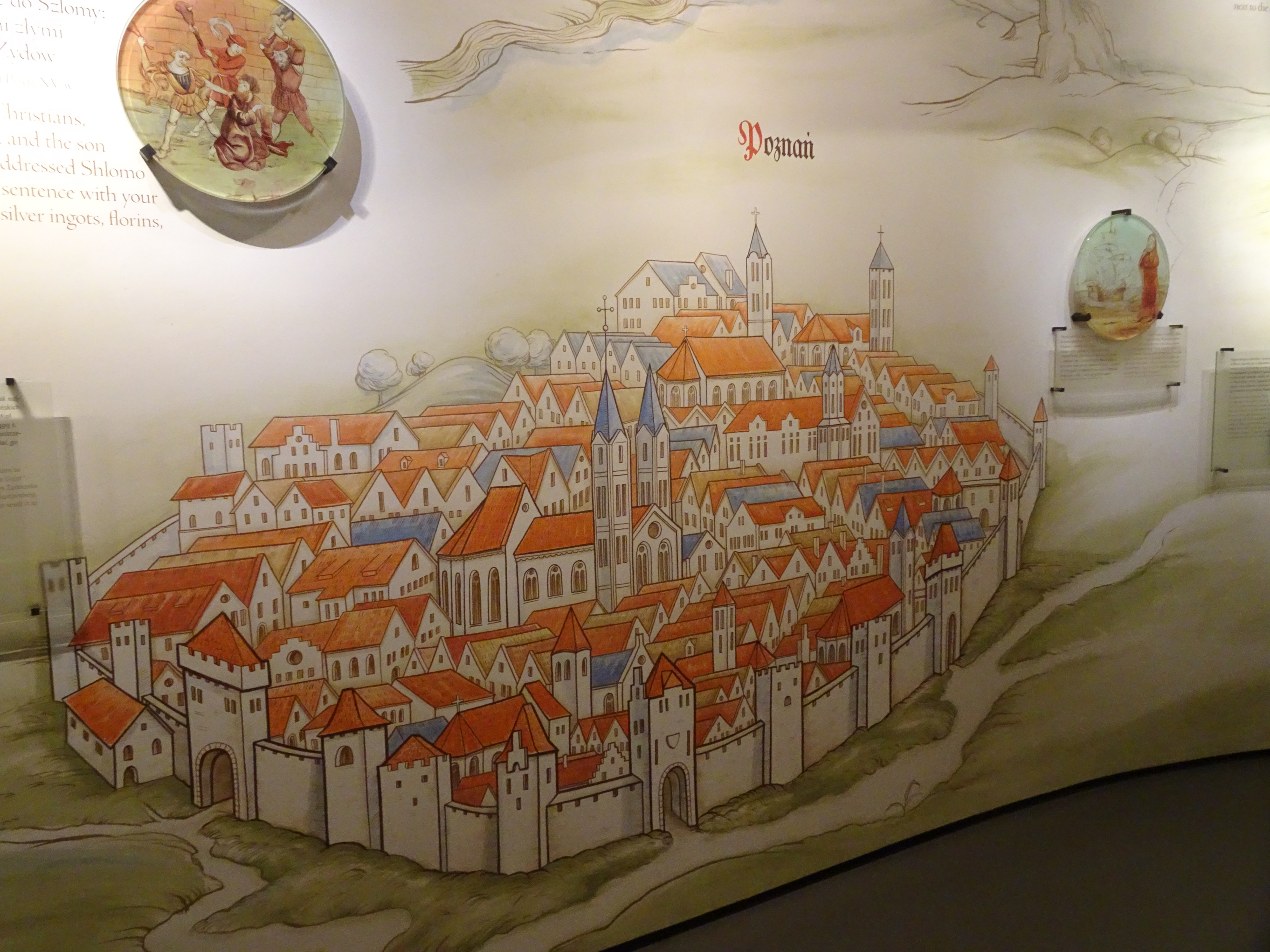
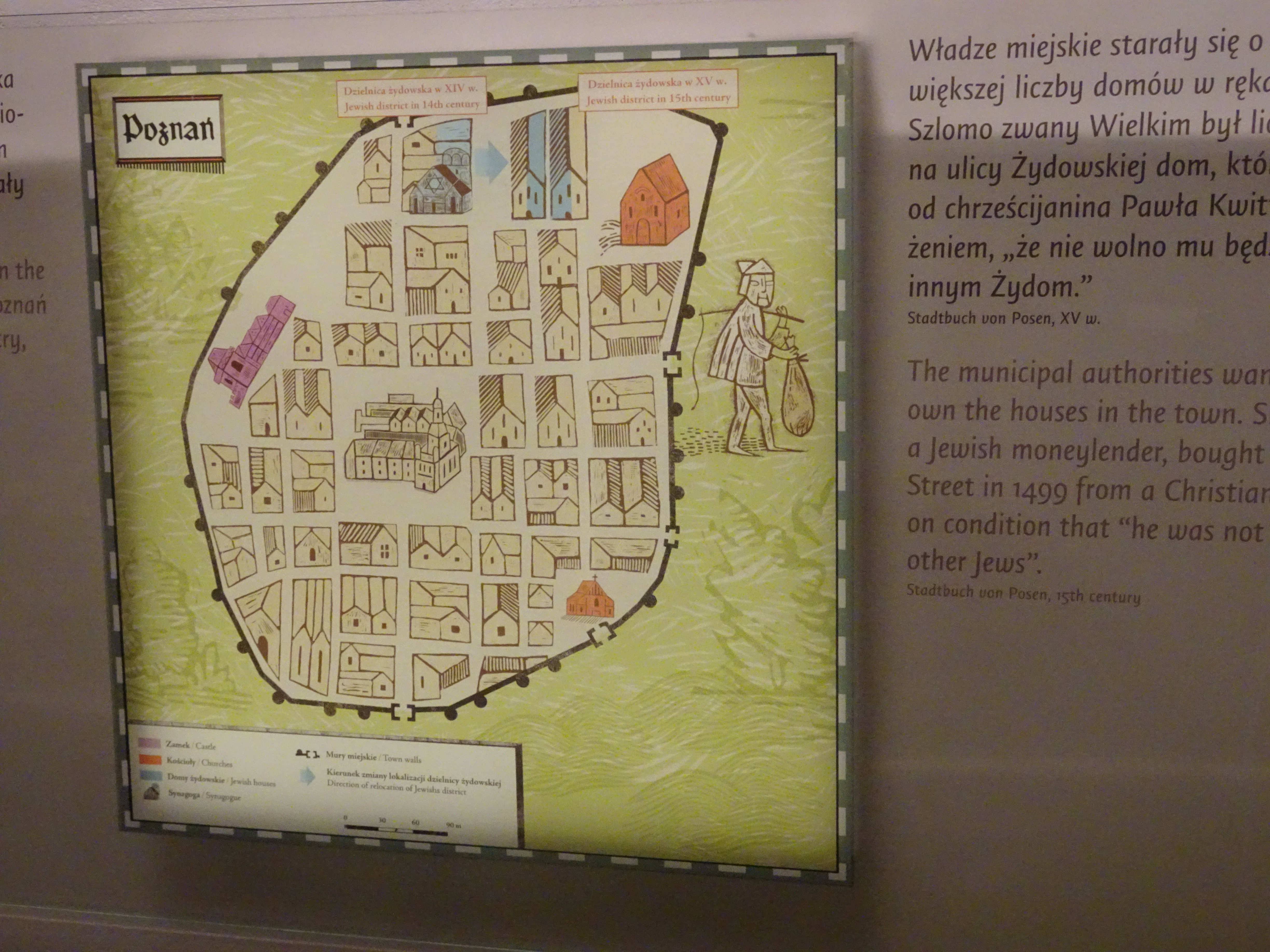
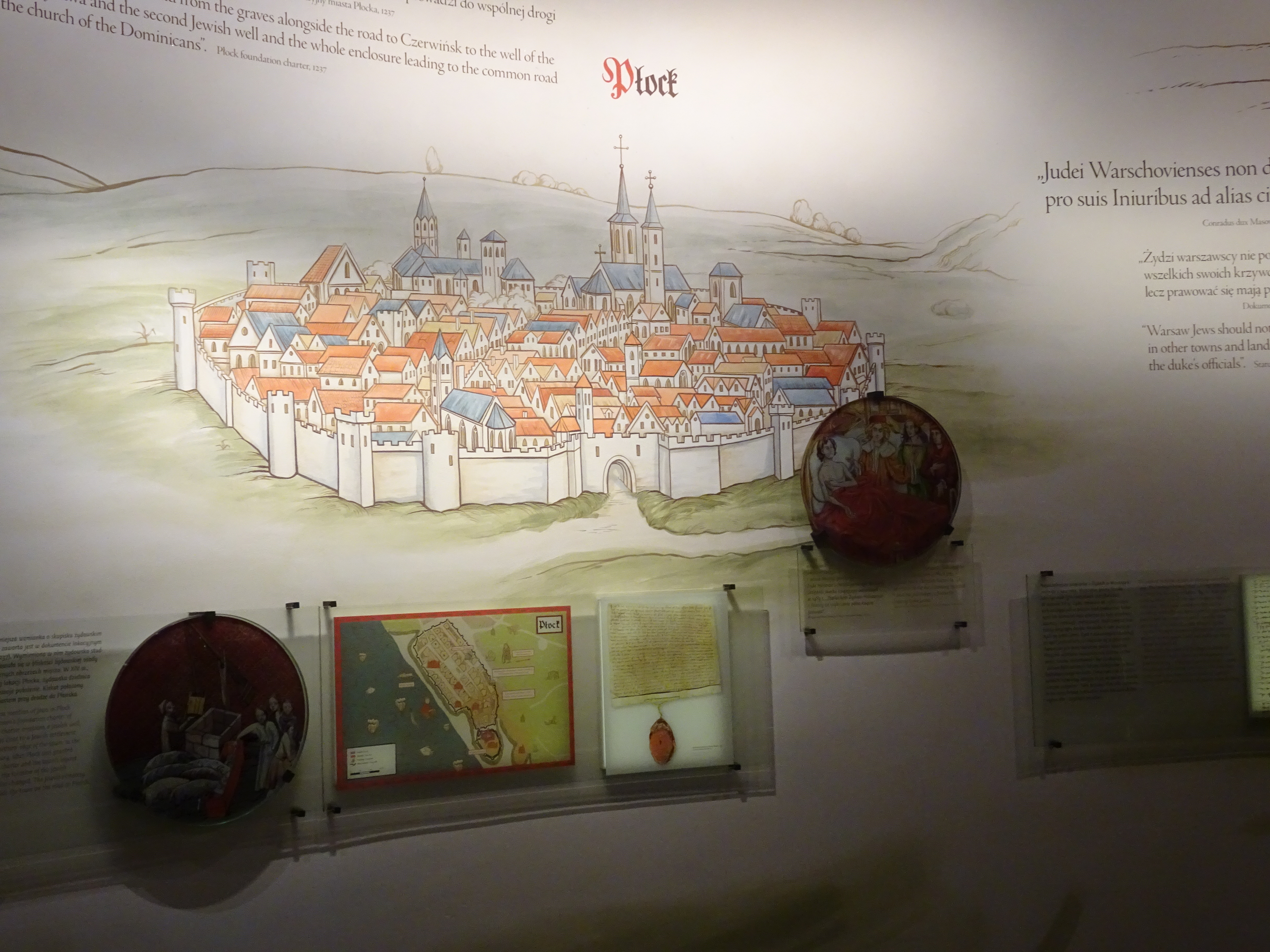
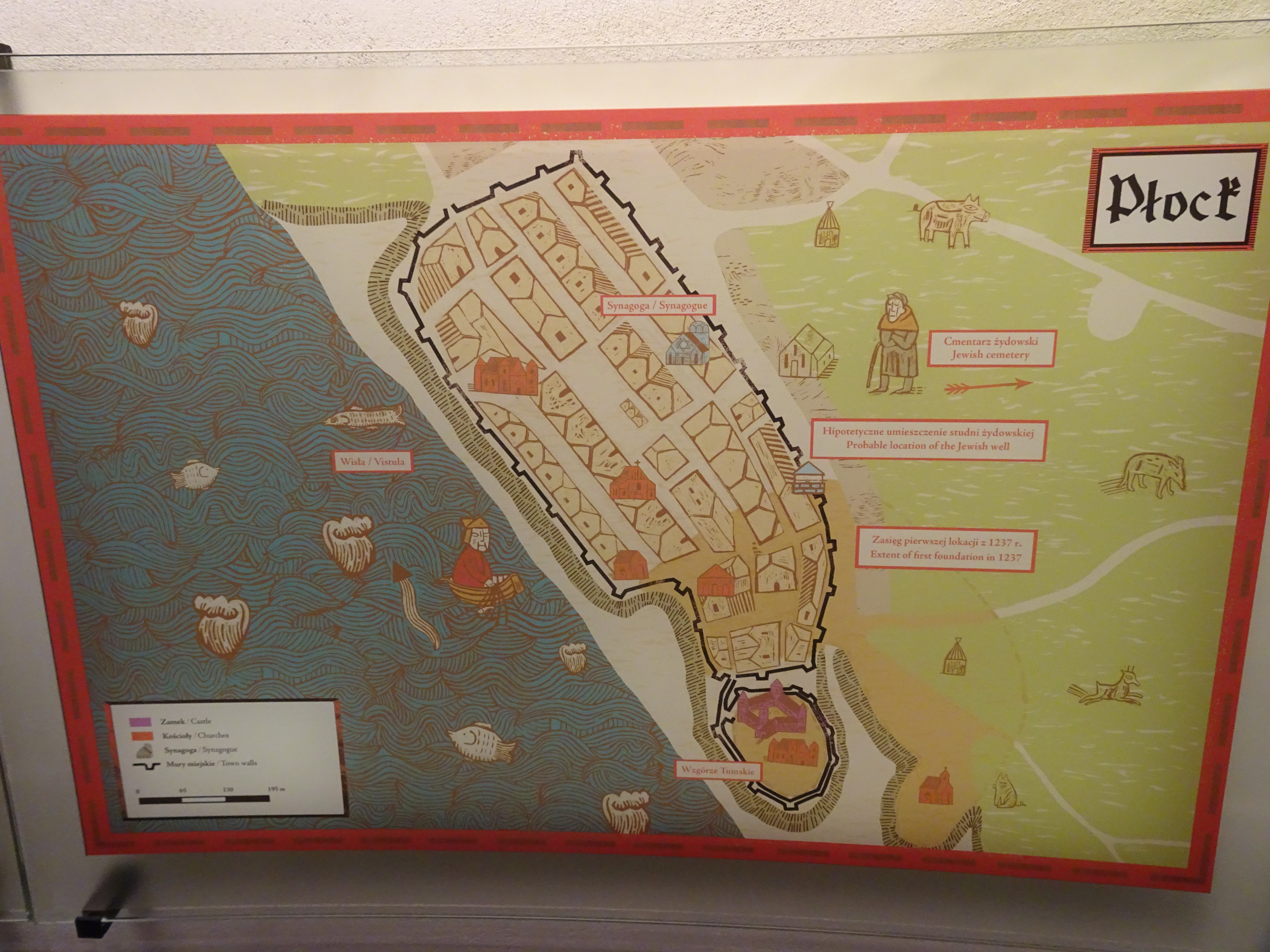
Seeing the maps, looking at the way the towns and villages grew differently, realizing how vital Jews were to the economy, the social, and political structures and development of the country, fills me with pride and also sadness, knowing what happened.
We had a marvelous private guide, as we did for each place we visited. Our guides are always very knowledgeable and charismatic, and provide incredible information. Before we start at any of the Jewish venues, I make sure to introduce myself and tell them my background and make sure they don’t mind if I provide some additional information. None of the guides on this trip, or previous ones, was Jewish and they seem to be grateful to learn. I had just finished adding something, when a woman approached me and said “Are you Janette Silverman?” Even if I had been so inclined, it would have been pointless to deny it. It turned out that she and her husband are friends with my sister and brother-in-law who when they mentioned their trip to my sister, she told them I would be in Warsaw at the same time!
By now you may be asking what I was avoiding, since that’s the title of today’s musings. I’m avoiding discussing the rest of the museum’s exhibit, and my own feelings. Warsaw as it was, the Warsaw Ghetto, the uprising, the Camps. The whole thing.
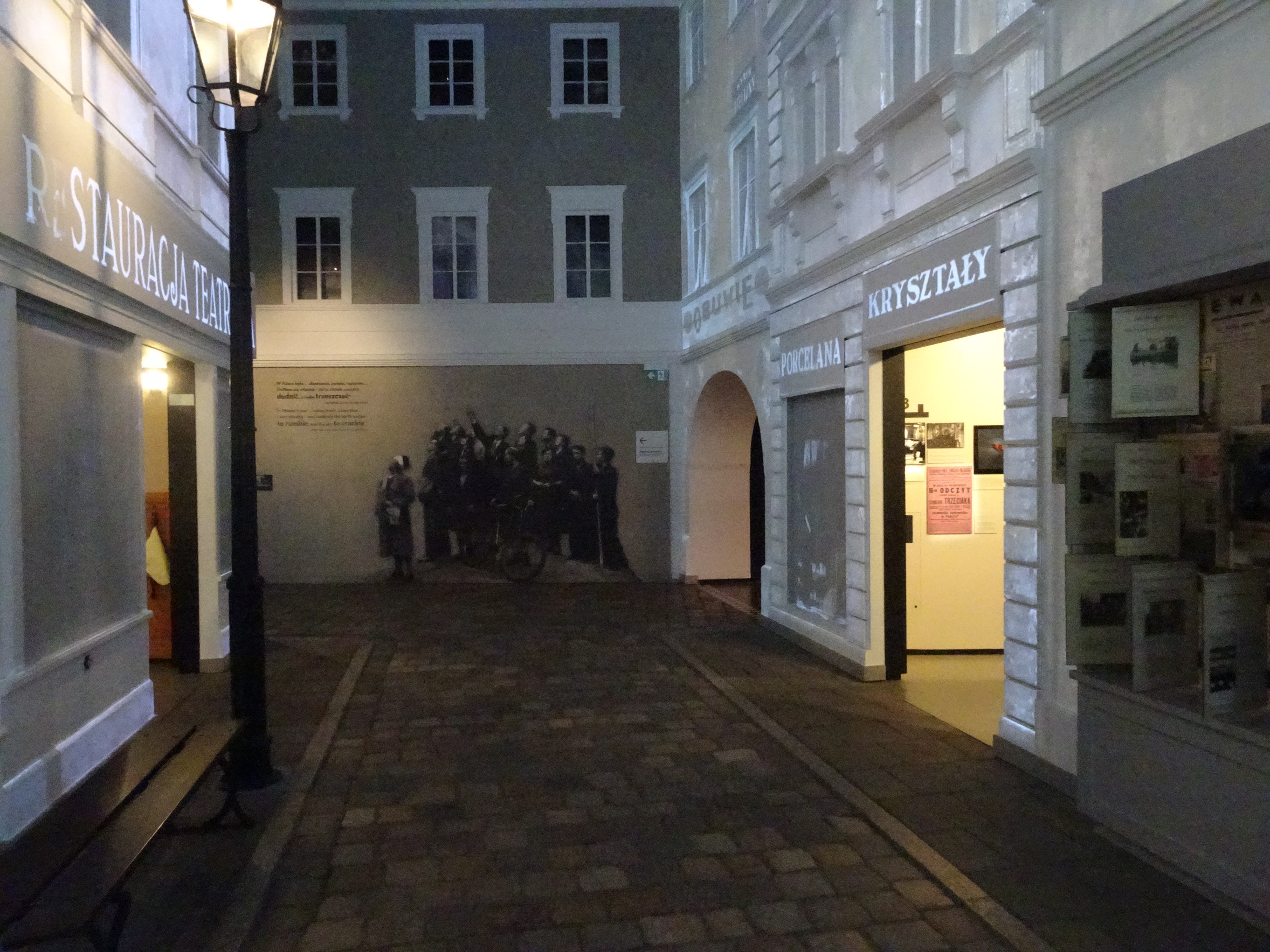
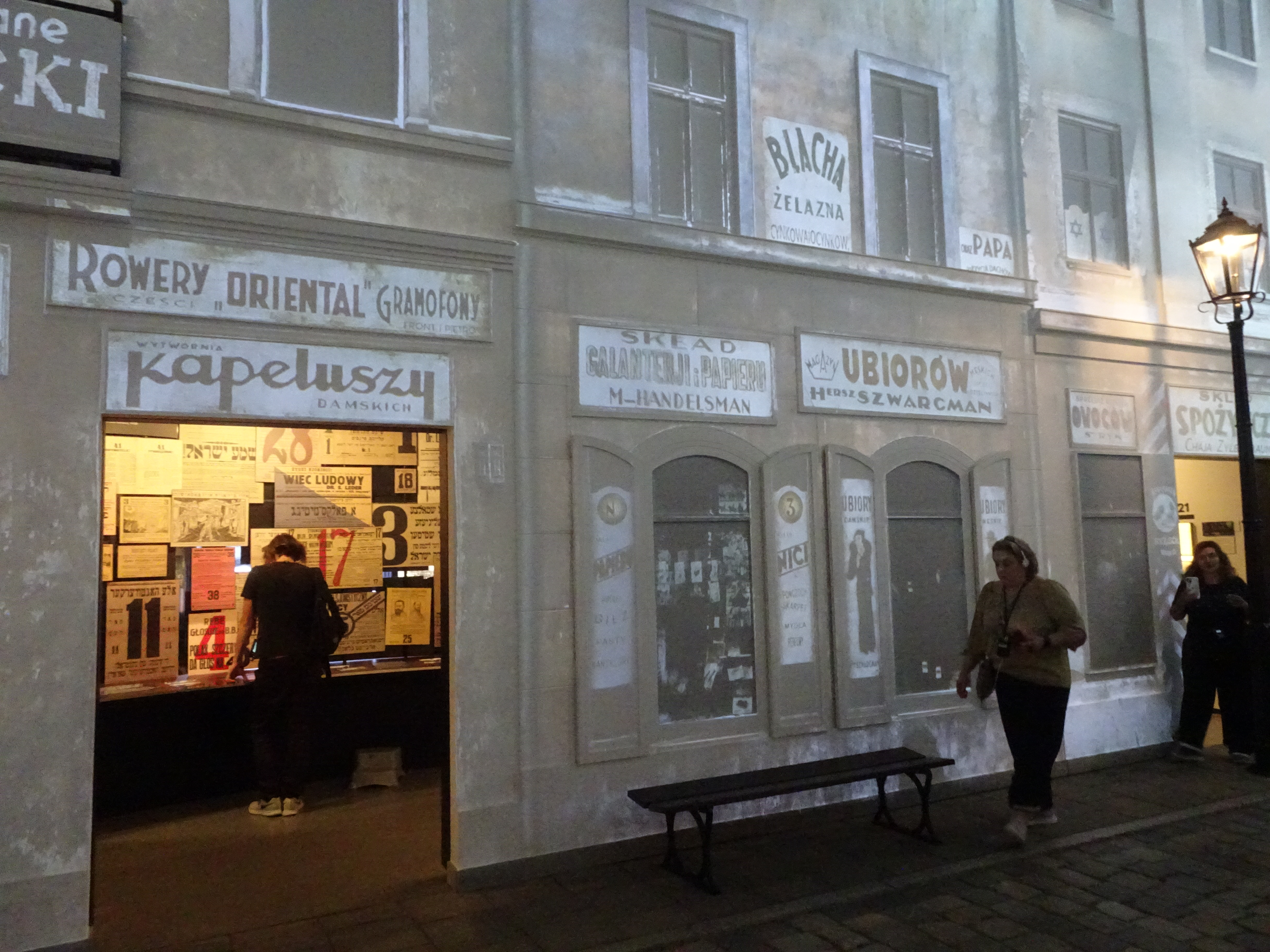
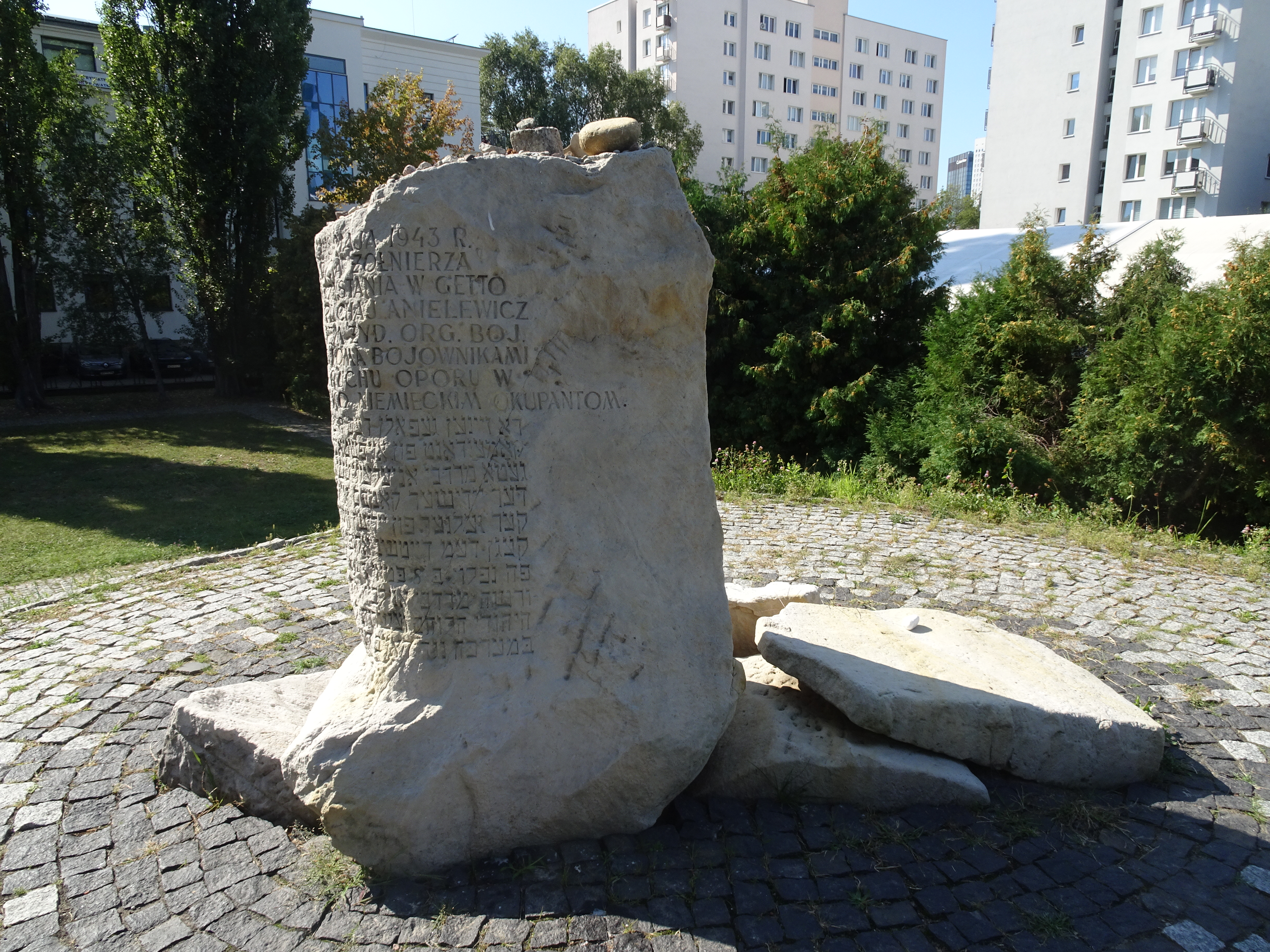
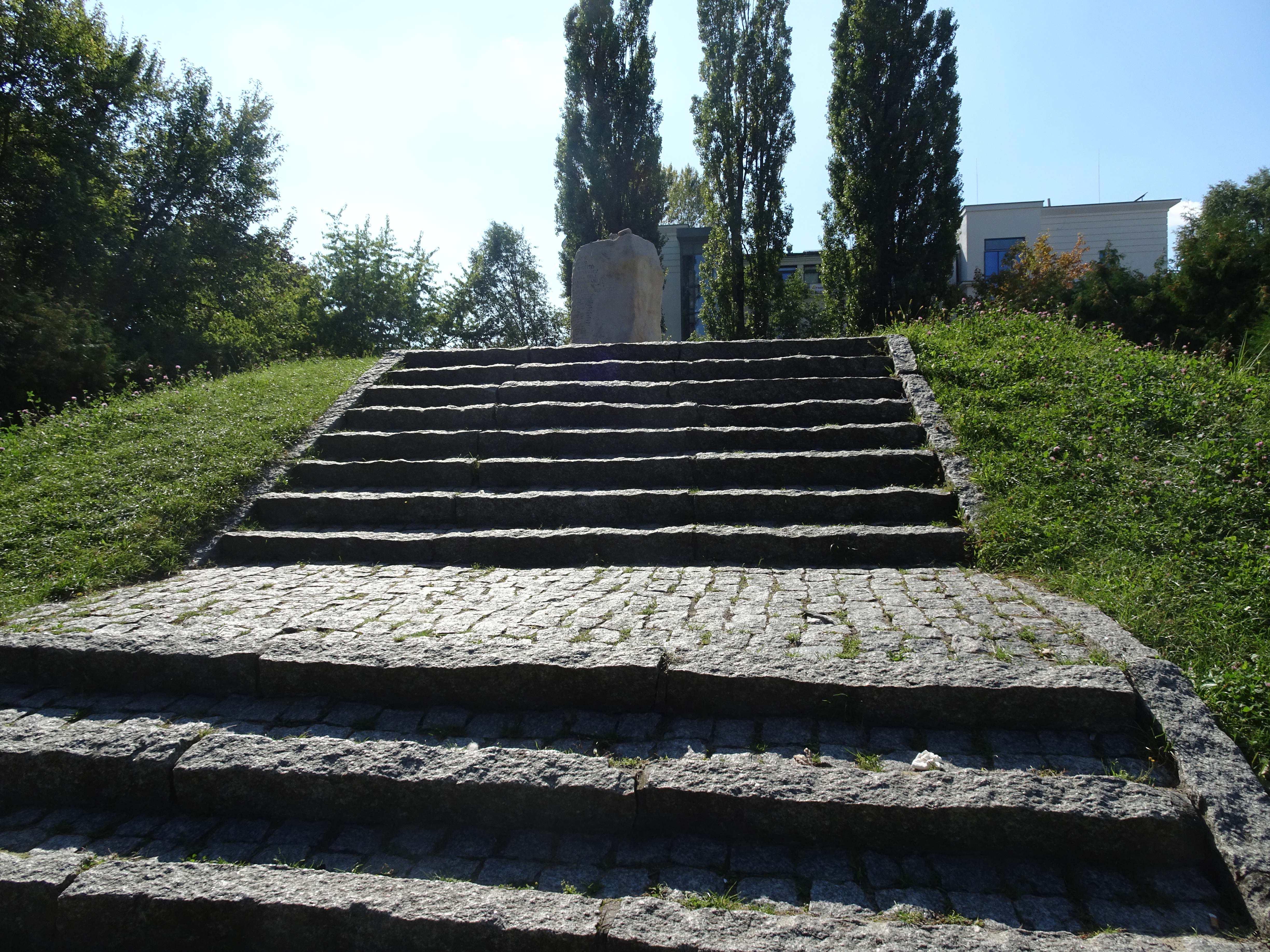
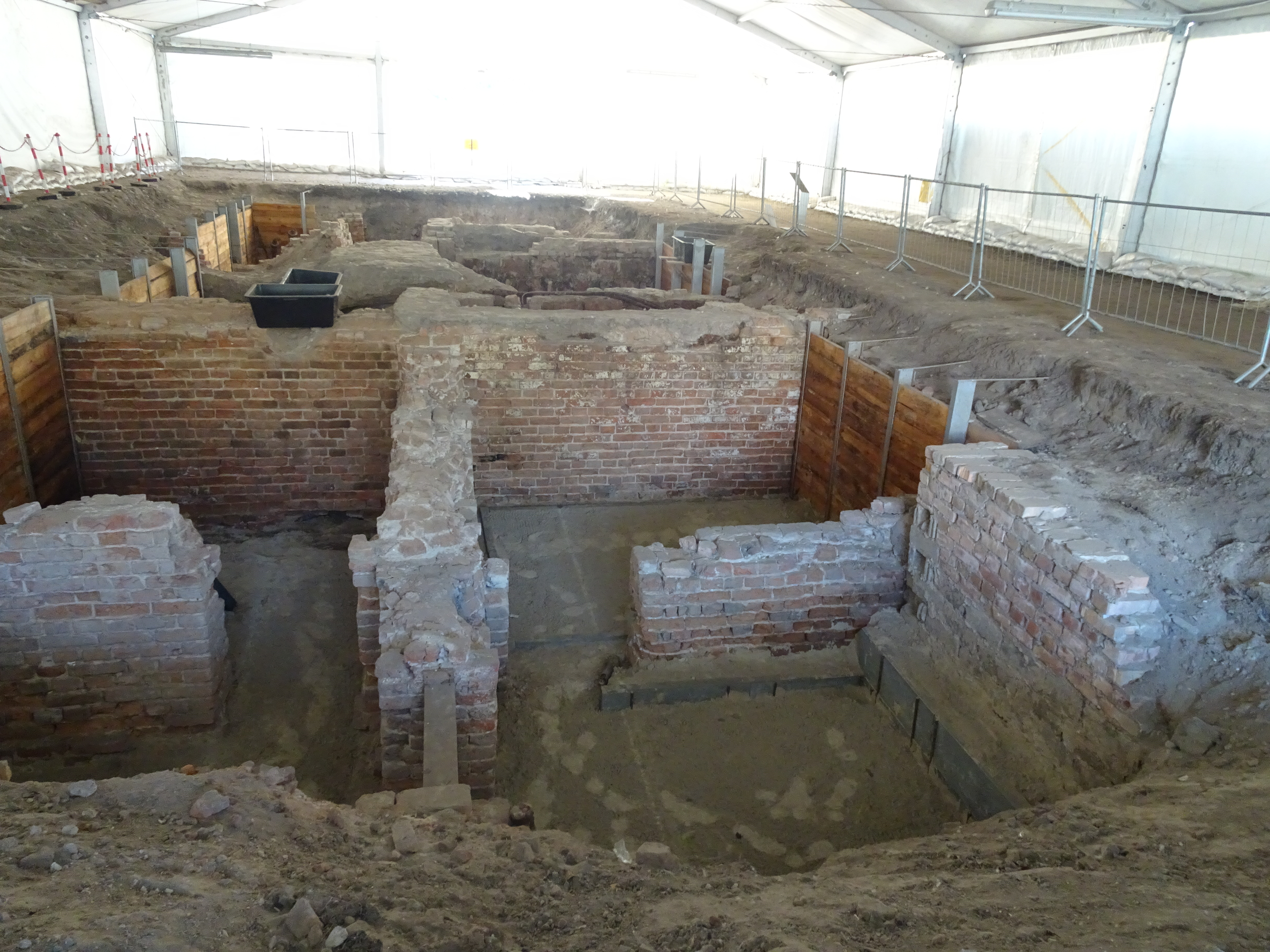
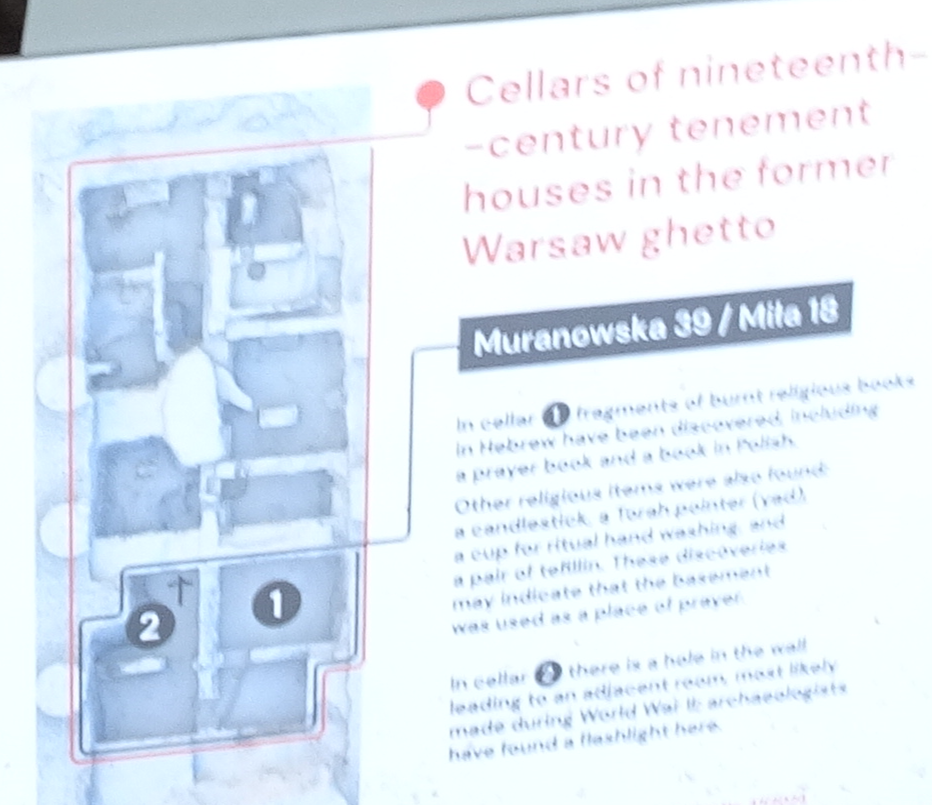
There will be a new museum opening in a couple of years devoted to the ghetto. This photo is of an excavation underneath what was Mila 18.
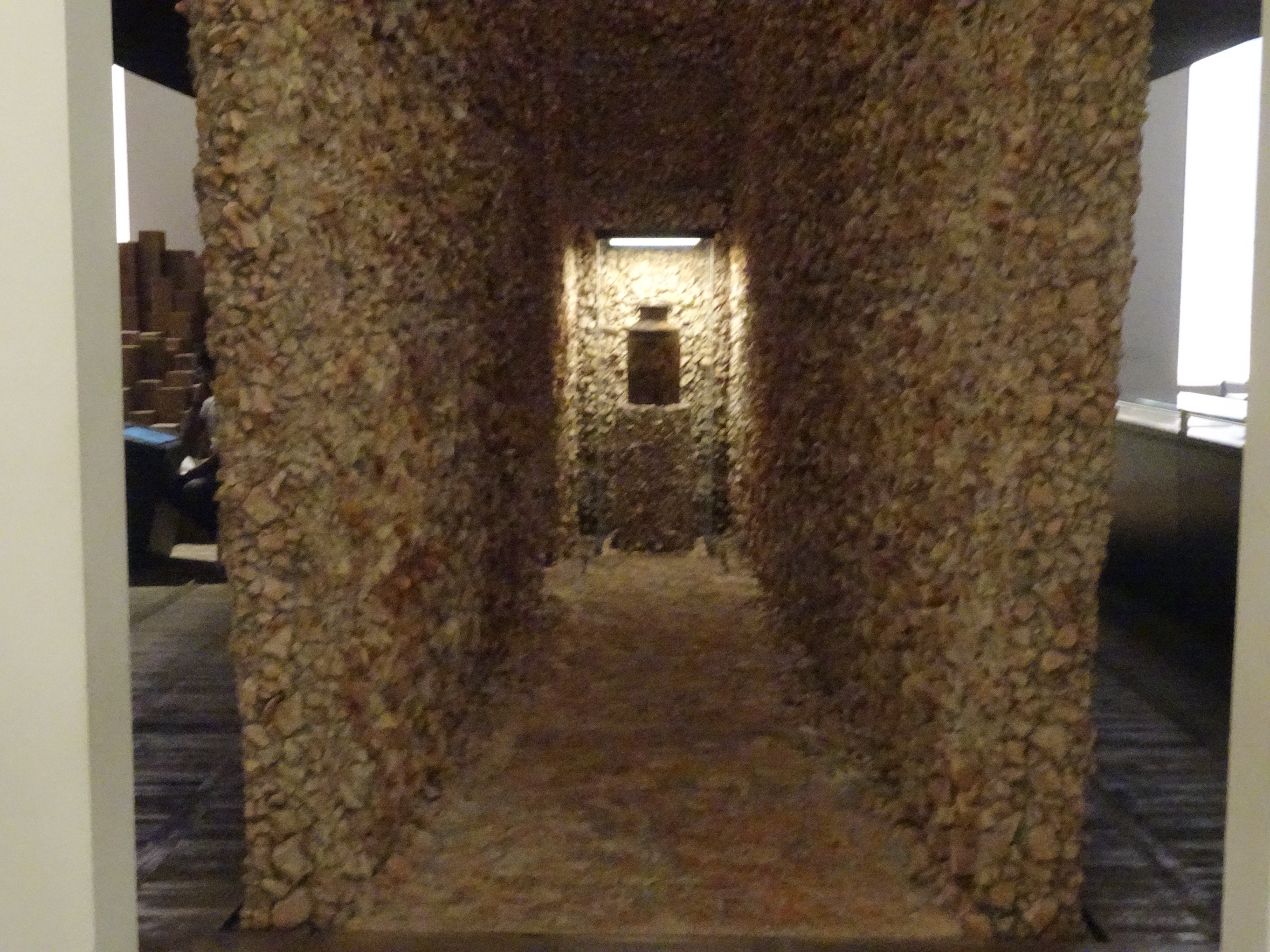
Then, a stop at the Ringelblum Jewish Historical Institute and one of the cans that held Ringelblum’s papers.
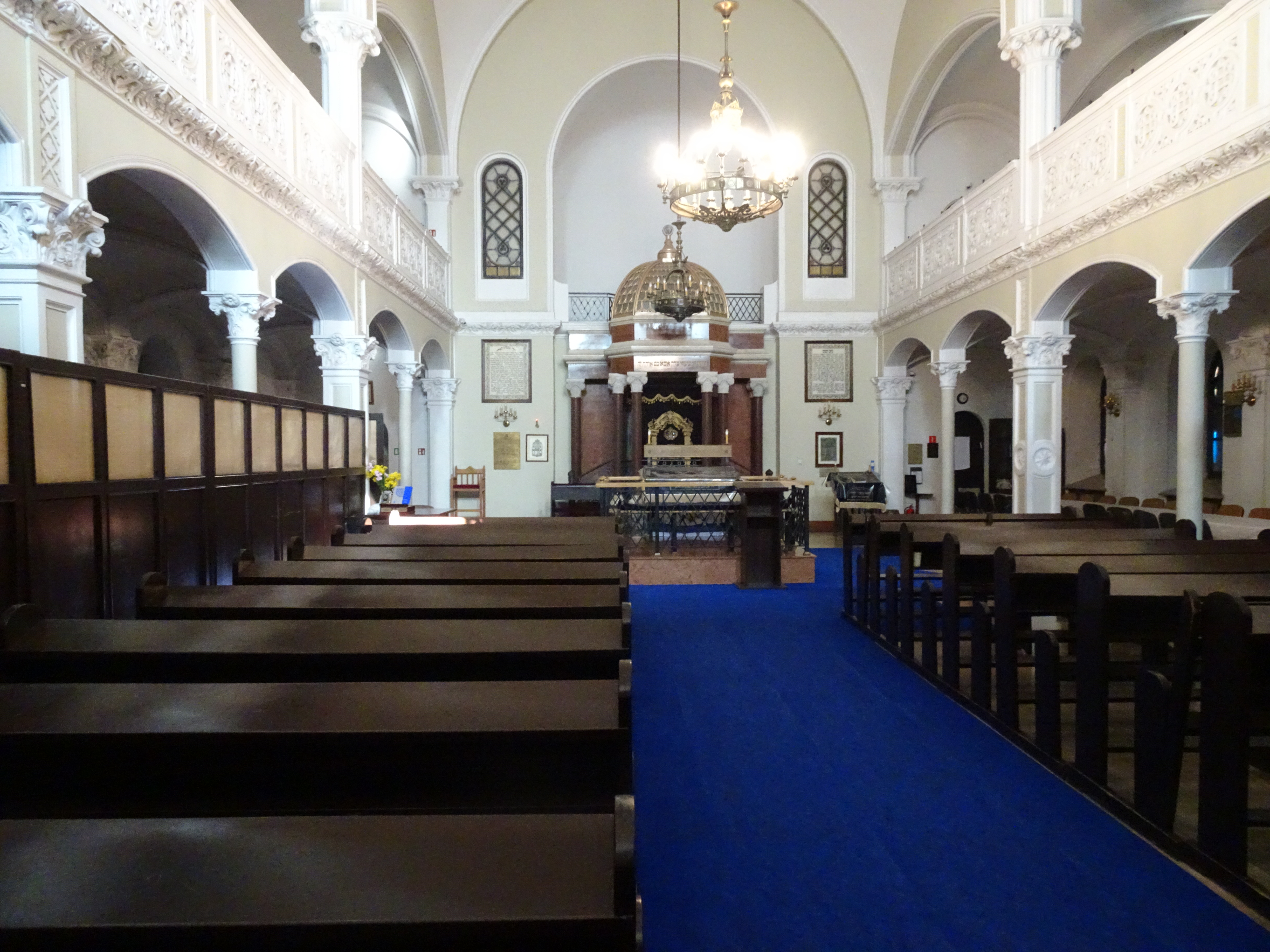
Finally a stop at the only synagogue still standing in Warsaw
There was one thing I really wanted to do in Warsaw, and that was the last place we visited today – a tiny place called Mi Polin – it’s a mezuzah museum. But, a museum like no other.
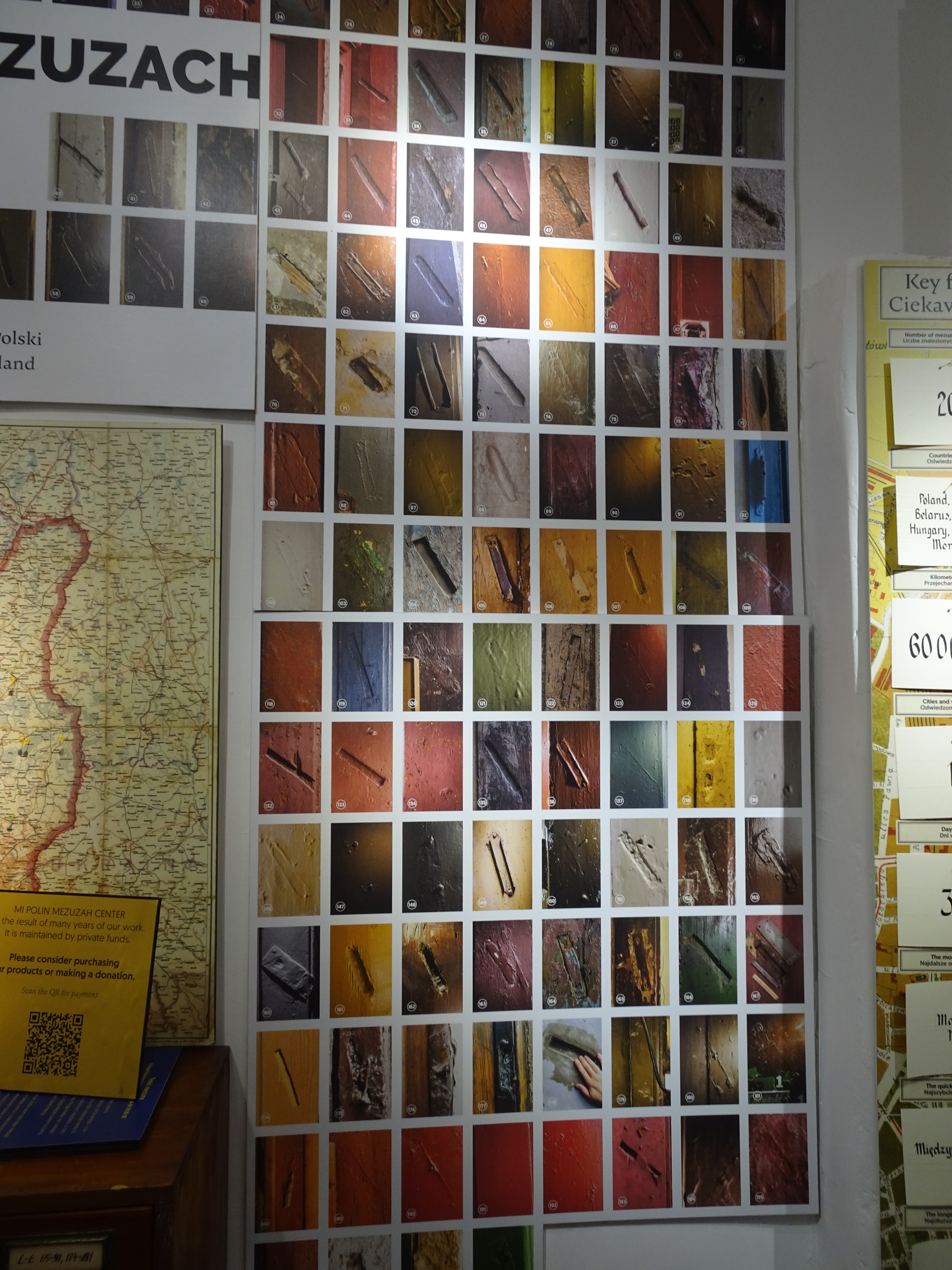
The creative forces behind this museum travel to various towns where there were once Jewish communities, looking for traces of mezuzot and then they recreate a mezuzah. They had one they found in Ivano-Frankivsk – my ancestral family’s town of Stanisławów. It’s not from the address at which my great-grandparents lived – that building no longer exists. However, I ordered a copy of that Stanisławów mezuzah. Just one more thing to help me think they are still close. I never knew them. My great-grandfather, Zelig, died in January 1921. My family was murdered there in October 1941. My great-grandmother, Chana Yetta, her sister, Devora, my grandmother’s siblings Clara and her husband Zygmunt with their children Zelig and Yaaov; Mojzesz and his wife Anna and their son Zelig; Penina and her husband Isak-Wolf and their daughter Silvia; Rachel, Oscar, Sara all murdered. Devora’s children Avraham and his wife Lea and their daughter Tzila; Khava and her husband Israel; Genia – all murdered. I keep saying – don’t forget the names. Say the names on gravestones, say the names of people who have no stones, don’t let them be forgotten. Don’t let the names escape from living memory.
Tomorrow on to Krakow and more emotions.
 RelativaTree