
The Wieliczka Salt Mine was likely the driver of the economy in the area for hundreds of years. During the partitions of the Polish-Lithuanian Commonwealth in the 18th century, it fell under control of the Austrian Empire.
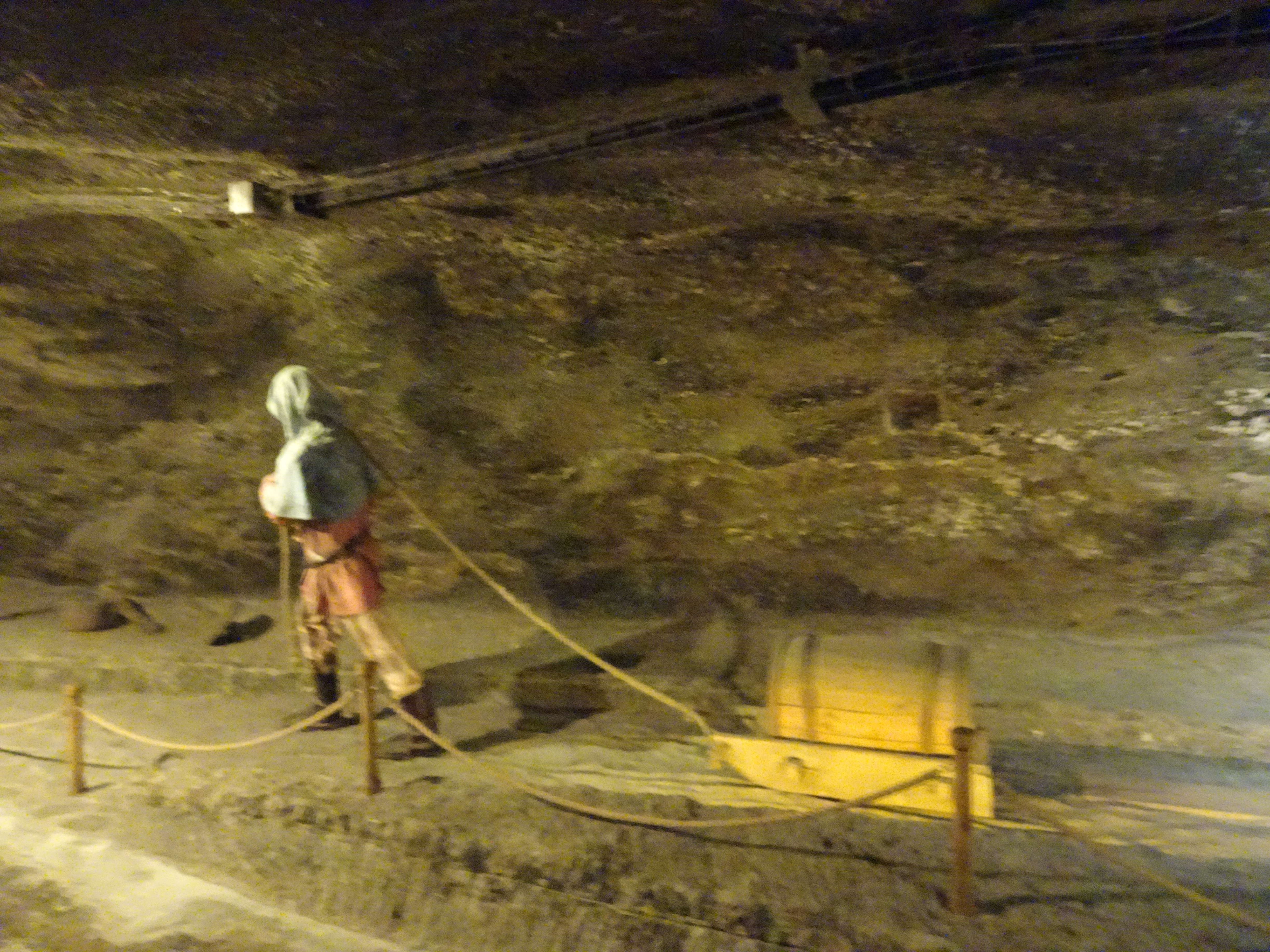
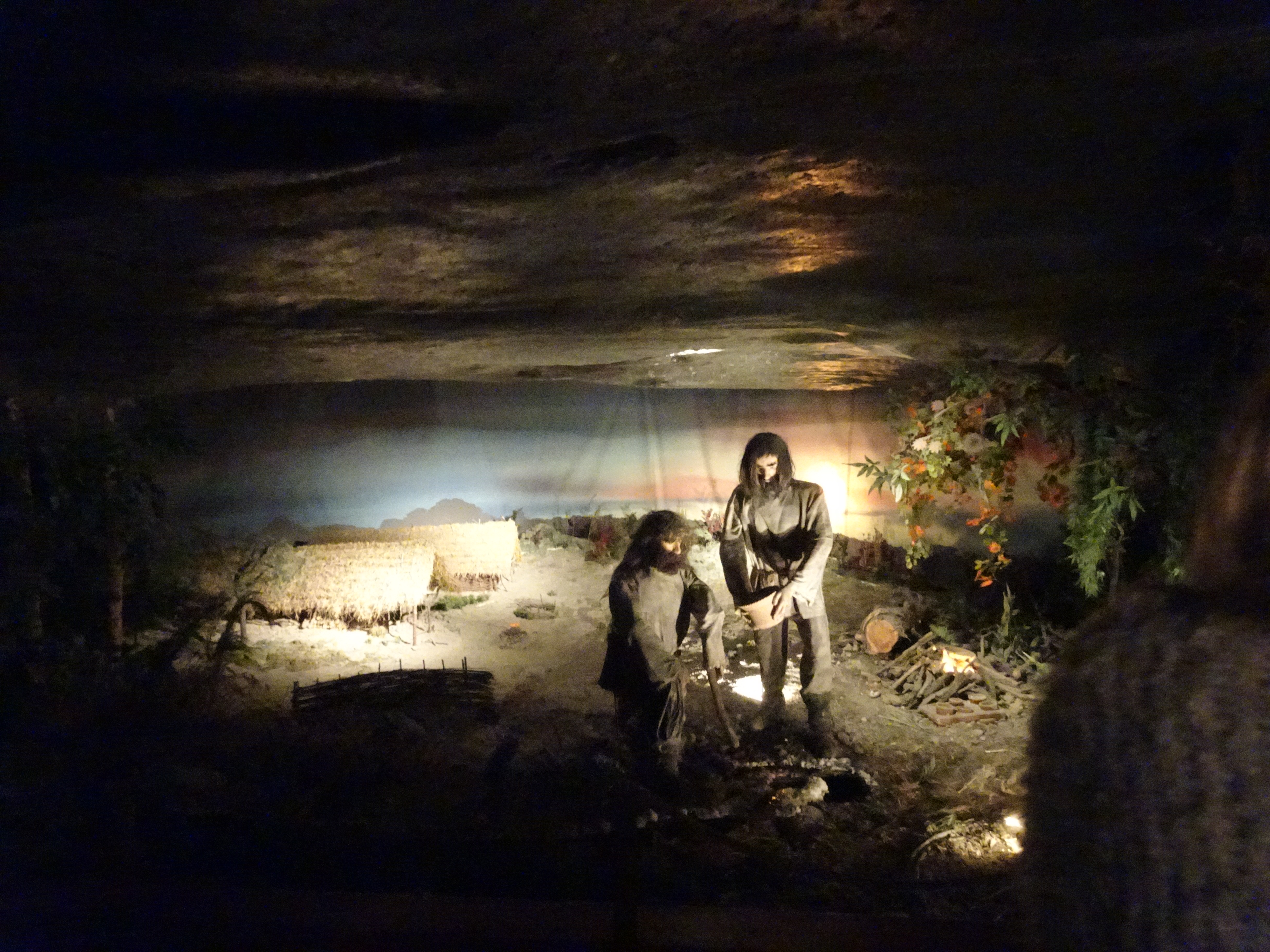
The operation of the mine, and its subsequent design as a major tourist attraction including a large spa, are amazing. If you visit the Krakow area, this is one of the “must see” spots everyone should have on their agenda.
There is a part of the history that is not included on the website for the mine, and that’s the history of the Jewish community in that area. Before Wieliczka came under Austrian rule, Jews were not allowed to settle there, and settled nearby in Klasno. After the partitions, Jews were permitted to settle in Wieliczka and opened many shops and factories including a tannery, a sawmill, tile and brick factories, and vidka and liquor factories. By 1924, Klasno was incorporated into Wieliczka, where, by the time World War II began, Jews comprised about 50% of the population.
The Germans created a forced labor camp on the site of the salt mine, and interned about 1,700 people to work in a factory located in the mind producing military aircraft. The work on aircraft was quickly halted as the Soviets moved in and the Jews were sent to other factories. Wieliczka as well as other salt mines was used to store plundered art.
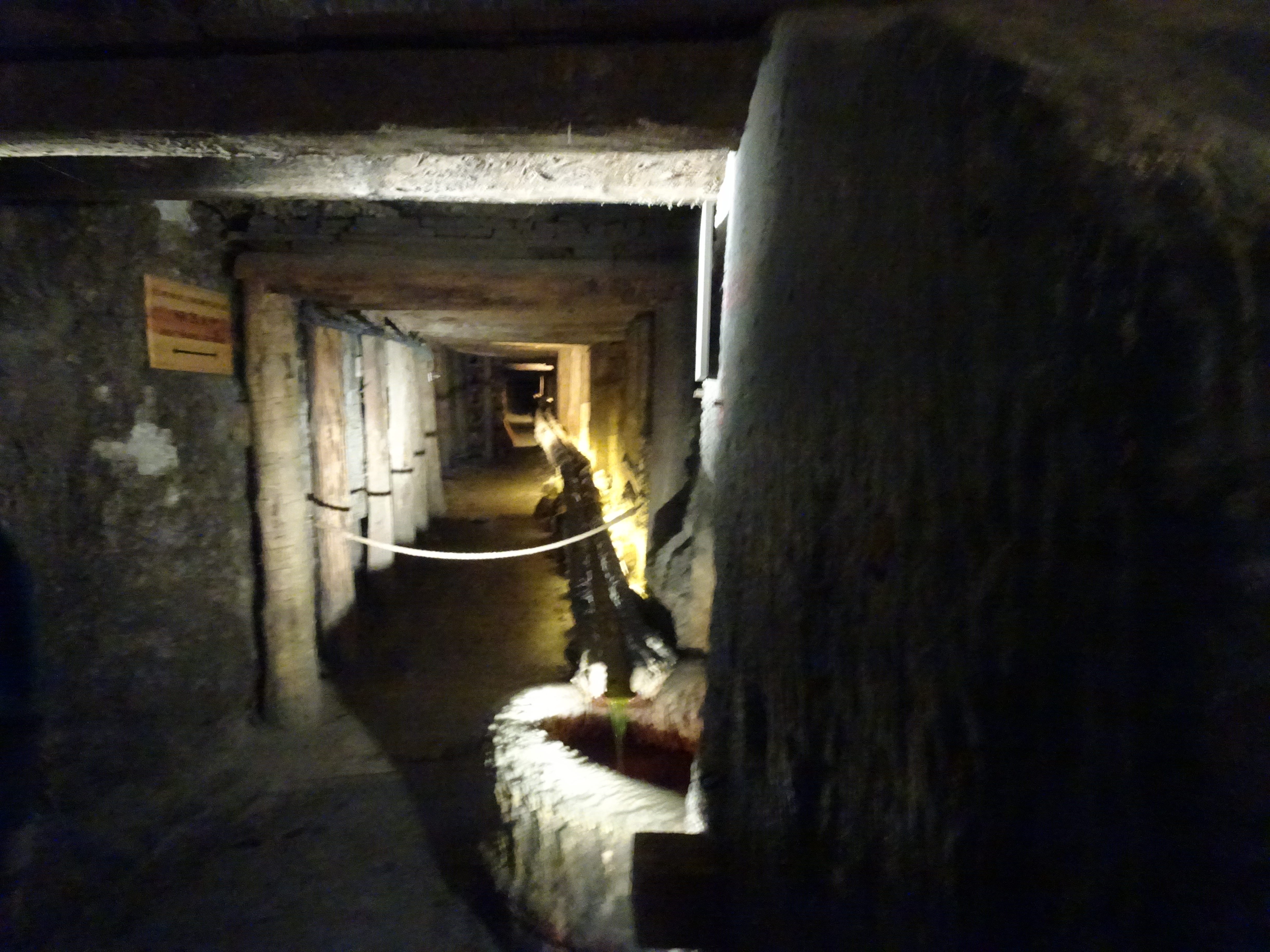
I know I keep returning to these same themes. It’s so difficult for me not to do that. I know the war years are not the extent of the history of Jews in Europe, but the trauma of those years, even for those of us born after the war, is a recurring theme, the Jewish presence is felt all over, in every town where there once was a community. Its presence lingers strongly in signs, street names, even memorial plaques when there seems to be nothing remaining. There are certainly no living Jews except for the occasional tourist that is in any of these places, and I imagine that many Poles have never met a Jew although not that long ago, Jews were the majority of the population in so many places.
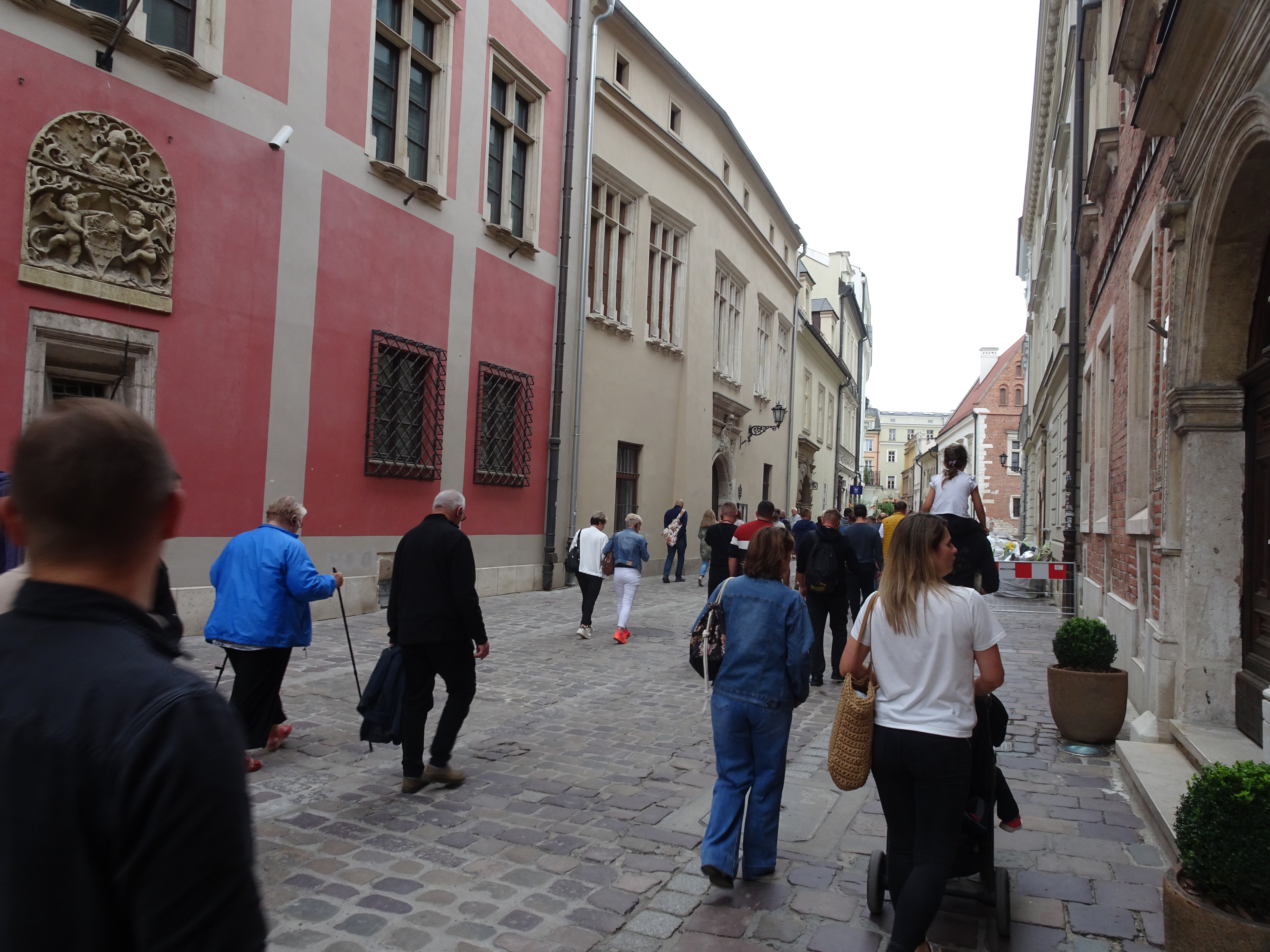
As we walked around Stare Miasto, the old city of Krakow, we found ourselves on a street with a parade. First we saw a group of scouts and behind them bagpipes and the most hateful signs imaginable.
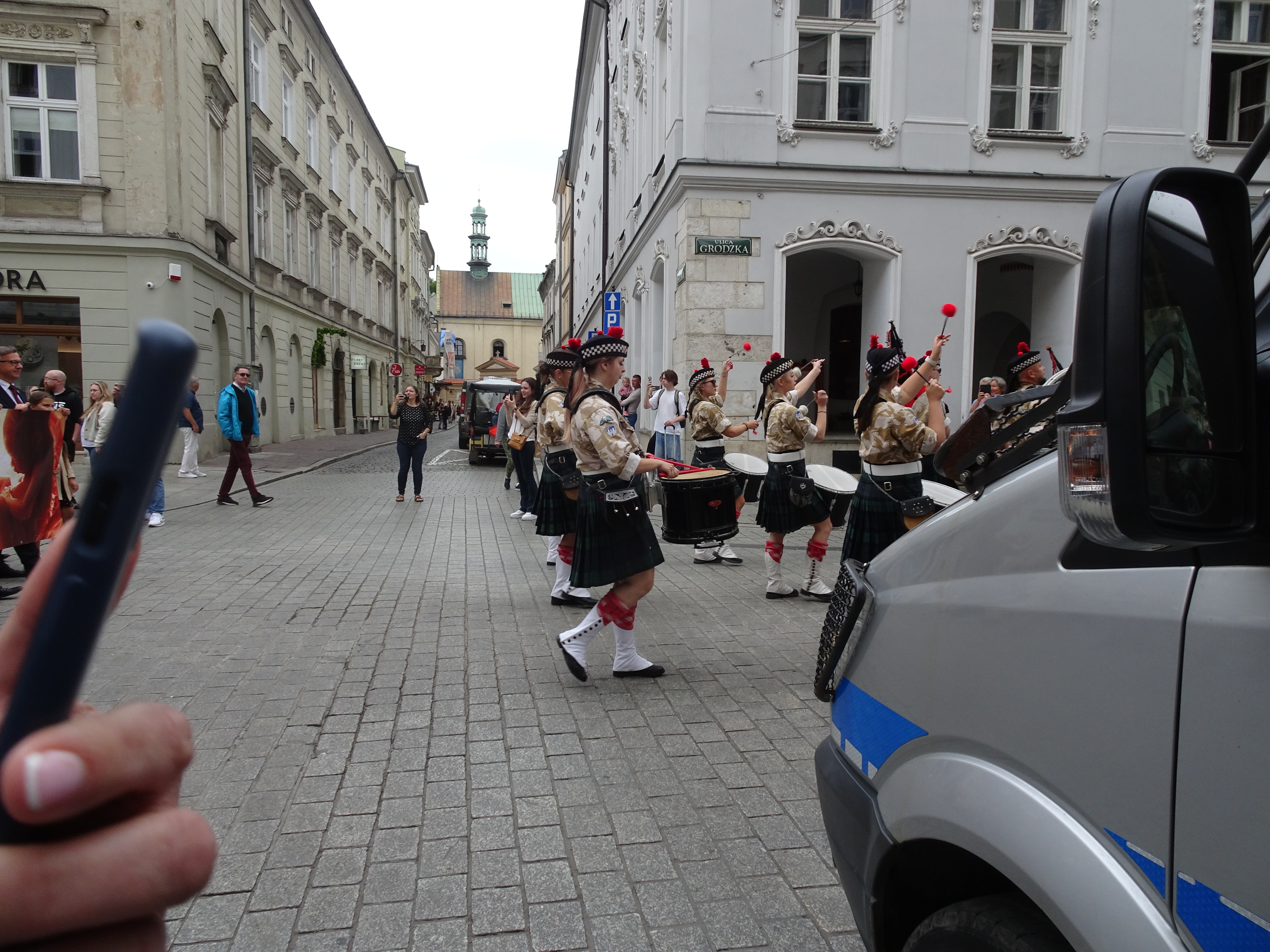
There was a large police presence to keep the peace. The marchers were against abortions, gay rights, any education that was not religiously oriented. In other words, they, like the Nazis wanted everyone to think the same, act the same, be the same. They want control over everything – speech, dress, education, thought. Maybe I’m too much a child of the sixties – if you don’t like what someone is doing, you don’t have to do that yourself, but don’t tell me what I can and cannot do unless my actions are a danger to others.
I didn’t mean to get political here, so I’ll move on to the beauty of the city.
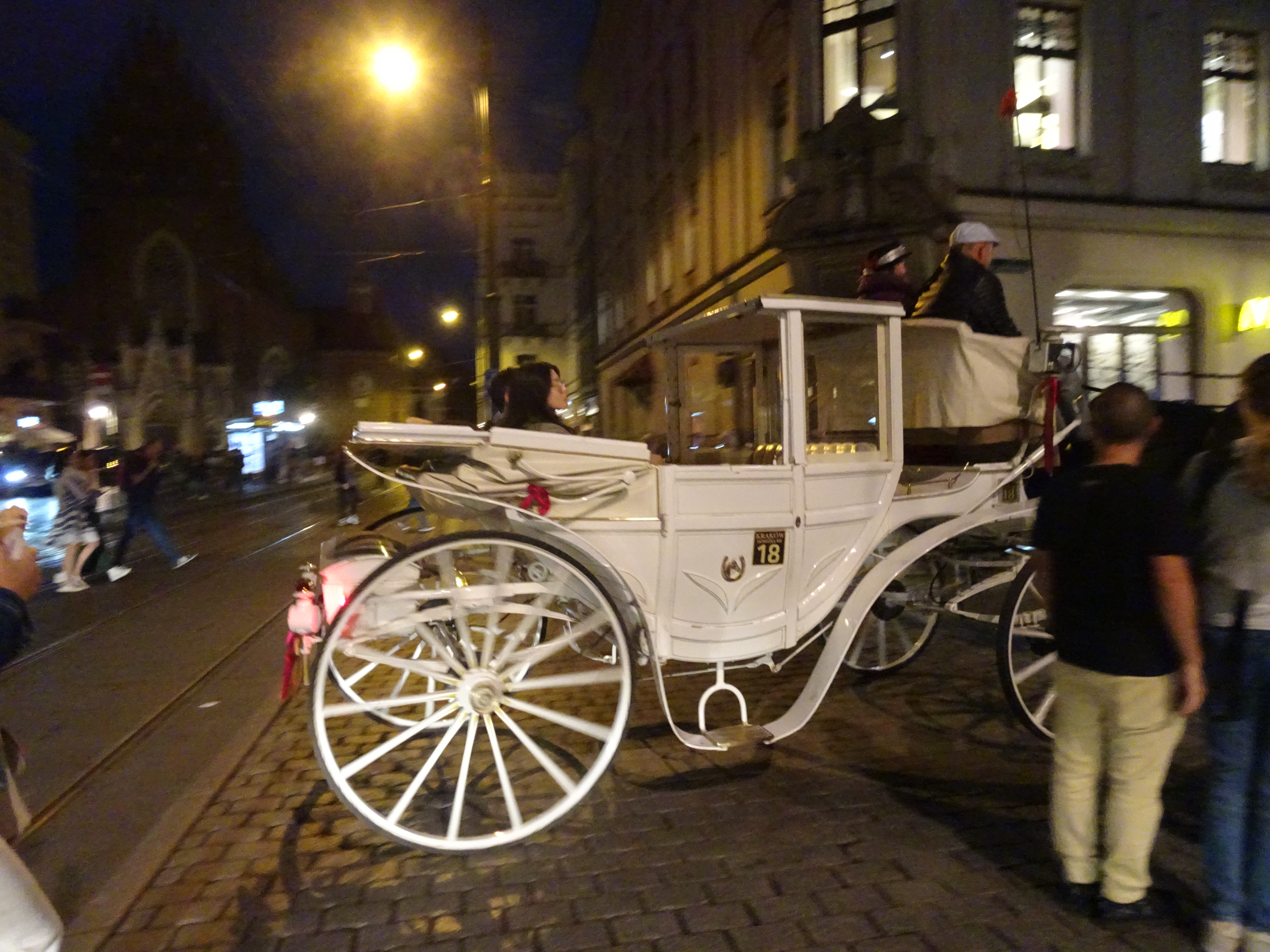
It’s so easy to imagine, with the ancient buildings, the cobble stones and the clopping of the horses that we are in a world of the 19th century.
 RelativaTree